Can you imagine not being able to garden, travel or spend quality time with your spouse, kids or grandchildren? Without good bone health, you won’t be able to do what you love whenever you want to do it. Developing good bone health starts when you’re young and should be supported, promoted, monitored and maintained as you age. To make an appointment with the Healthy Bone Clinic and Kali Moe, NP, or our Healthy Bone Medical Director, Dr. Bob Golz, call 618-997-6800! Here are 7 reasons why you should take better care of your bones today: Bones protect important organs inside your body like your brain. Your skull is the safety helmet inside your head. The rib cage made out of bone protects your lungs and heart. Your skeletal system keeps your insides in place and adds an extra layer of protection when you need it for example, during a fall or accident. Bones form the structure of your body and make it move the way it should. It would be hard to bend over to pick up your grandchild, work in your flower bed or reel in that big one without the help of your muscles and bone working together. Healthy bones make you beautiful. Think of the phrase “good bone structure.” Your jaws and teeth are made out of bone, and they support the rest of your face and skull above it. Strong, healthy bones create strong teeth and a beautiful smile. These same bones support and prevent the fat, muscle and tissue of your cheek from sagging. You’ll look more attractive and youthful throughout your life with good bone health. Bones hold and build important nutrients and minerals that make your body work its best. Calcium is stored in the bone, and in the bone marrow, red and white blood cells are made. Red blood cells carry oxygen to your muscles and organs including your brain, liver, heart and digestive system. White blood cells fight colds, flu and other diseases. Calcium has many important roles including carrying messages between your brain and every other part of your body via nerves. Your body will use the calcium stored in your bones for this function if you don’t consume enough calcium in your diet. Your body continually makes and breaks down bone. Before the age of 30, you produce new bone faster than you break it down. After the age of 30, you lose more bone than you make it. Attaining good bone mass while you are younger will help you retain more of your bone later in life and decrease your chance of bone disease. Without good bone health, you are prone to osteoporosis. Osteoporosis is a disease that causes your bones to become weak and brittle. It is often called a “silent disease” because most people don’t know they have it until they break a bone or experience a fracture. 1 out of 2 women over the age of 50 and 1 out of 4 men will experience an osteoporatic fracture in their lifetime. One osteoporatic fracture in your spine, hip or wrist makes it more likely you’ll have another one as each fracture weakens your bones further. Taking care of injuries associated with bone loss can cause financial strain and emotional distress. When you fracture a bone, you may have to miss work to go to doctors appointments, surgery and physical therapy costing time and money. On top of that, you may have to say goodbye to dance lessons, gardening, travel plans, hunting and other activities you enjoy as your body recovers and heals. However, there is good news. It is never too late to maintain, gain or promote better bone health and prevent bone disease. Be your best advocate and ask your healthcare provider to test and monitor your bones. When you are proactive about your health, you can live life to its fullest and enjoy doing what you love most to do. Take care of your bones, and your bones will take care of you!
5 Tips to Improve your Orthopaedic Health
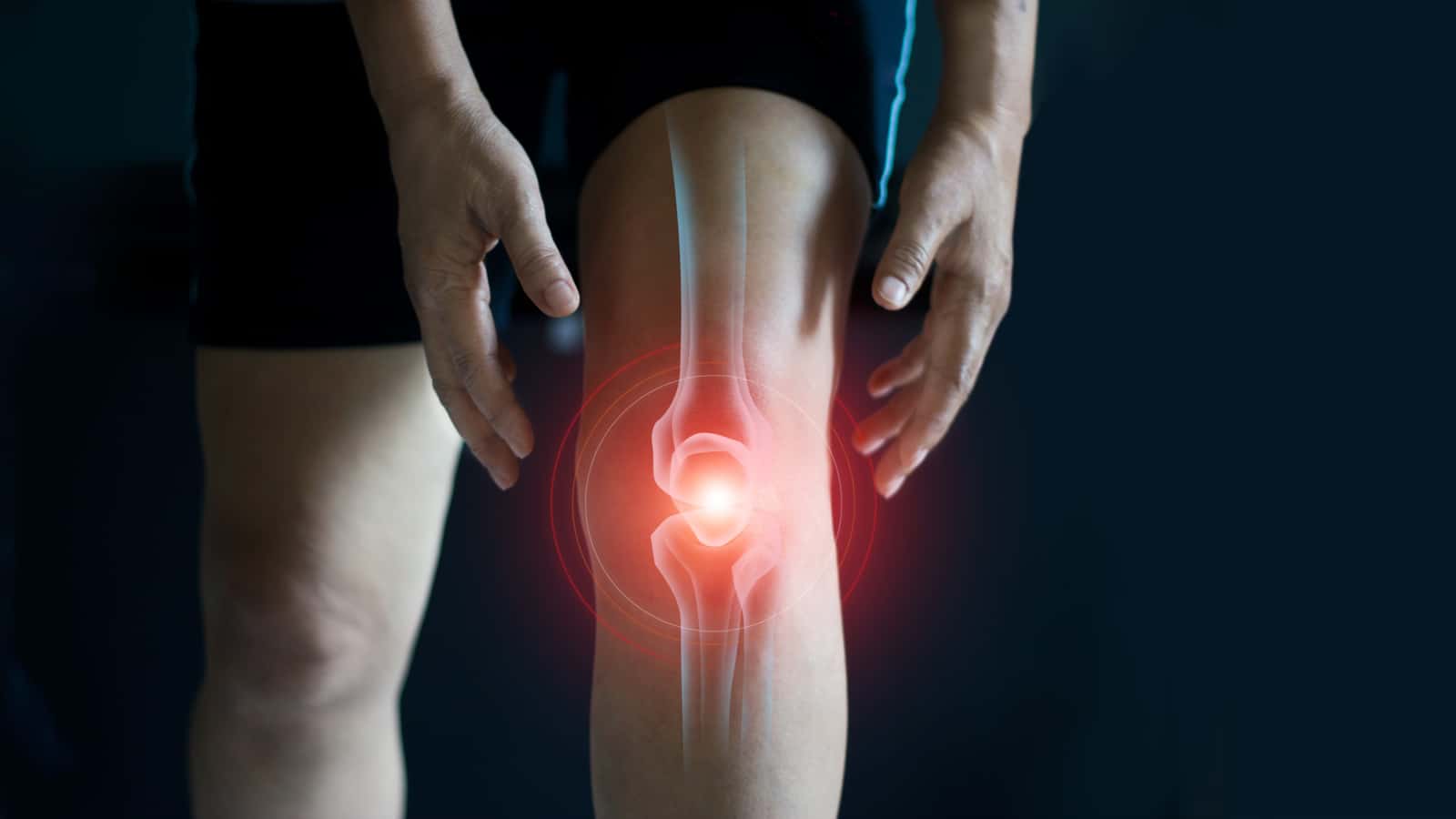
Every day, hundreds of millions of people worldwide wake up with orthopaedic issues that limit their ability to live a free and active life, making bone and joint conditions among the most common causes of severe long-term pain and physical disability. Here are five simple tips to improve your orthopaedic health for life. 1. Stay Active One of the most important ways to maintain healthy bones and joints in the long-run is daily exercise. Whether you are implementing an active lifestyle as a preventative measure or trying to strengthen an already fragile skeletal system, the key to developing strong bones and joints over time is to start slow and ease into a routine that works for you. Strengthen – Avoid high-impact forms of exercise that could cause stress to your bones and joints. Instead, try taking a brisk walk or using hand-held weights or stretch bands to build strength and resistance. Stretch – Building your flexibility is important to maintaining a wide range of mobility while avoiding injury and developing better balance. Before and after exercising, take five minutes to stretch your leg, back, and arm muscles. Cool Down – Before you end your workout, ease into a cool-down exercise, such as a light jog around the track, to prevent injury and unnecessary tightness or soreness post-workout. 2. Eat to Live In combination with the right amount of exercise, a healthy diet promotes healthy bones and joints. The key to maintaining a balanced diet is finding ways to be intentional about incorporating nutritional foods into each meal. Make sure you are getting enough of the following nutrients to keep your orthopaedic health on track: Calcium – A mineral necessary for bone formation, calcium-rich foods such as milk products are important for building strong orthopaedic health. Vitamin D – Few foods, besides fatty fish, dairy products, and egg yolk, contain high amounts of vitamin D, so getting a safe amount of sunlight can be a good source. Supplements – If you are unable to get the right amount of calcium or vitamin D in your diet, taking a supplement is recommended. However, it is important to note that a “supplement” does not translate to a perfect “substitute.” 3. Dress for Comfort and Support Don’t let fashion get in the way of your orthopaedic health. The clothing we wear can make or break our bone and joint health, so adorning the proper gear can be an easy way to work towards a pain-free life. Instead of wearing high heels, which throw the body out of its natural position, look for shoes that provide comfort and support. Make sure your feet have plenty of room within the shoe to avoid cramping and deforming. Additionally, wear looser fitting clothes to aid proper blood circulation and flexibility of muscles. 4. Create Healthy Habits Creating healthy habits is essential for long-term orthopaedic health. Practice good posture by always keeping both feet on the ground to distribute weight evenly as well as pulling your shoulders back to straighten out your spine. Avoid putting stress on your back and shoulders by carrying lighter loads, evening out your backpack straps, or using a suitcase with wheels. When sleeping, use supportive pillows, and choose a position that complements the natural curvature of the spine. 5. Practice Precaution Taking precautionary measures is essential when it comes to your bone and joint health. If you notice any changes in your orthopaedic health, make sure you take action before it is too late. Ice the area to reduce swelling Wrap the area to compress and keep in place Elevate the area to encourage blood flow If the bone or joint continues to weaken or the pain continues to worsen, it is important to seek medical attention right away. From knee surgery to hip replacement and rehabilitation, contact our highly skilled orthopaedic specialists here at The Orthopaedic Institute to receive the right care and services to get you back on your feet quicker.