
### PRESS RELEASE – ORTHOPAEDIC INSTITUTE OF SOUTHERN ILLINOIS PARTNERS WITH DEACONESS ILLINOIS TO SIGN TOTAL JOINT SURGEON April 15, 2024 The Orthopaedic Institute of Southern Illinois (OISI) in partnership with Deaconess Illinois is excited to announce the addition of Rhett MacNeille, M.D. as the newest member of our joint replacement surgical team, joining longtime partner, J. Michael Davis, M.D., who has been a part of OISI since 1992. “My family and I are excited to make Southern Illinois our home! I look forward to contributing my talents to the excellent medical community,” said Dr. Rhett MacNeille. Specializing in the most up to date minimally invasive, muscle sparing, and robotic assisted techniques for hip and knee replacements, Dr. MacNeille says, “When non-operative treatments have failed, you shouldn’t have to travel 2-3 hours to the city to get the best for your hip or knee replacement.” Dr. MacNeille was born and raised in a rural town of 12,000 in northern Arizona and has a heart for living and being with the people. Over the past 10 years, Dr. MacNeille attended Arizona State University for undergraduate studies; received his medical degree from Penn State University in Hershey, PA; completed his orthopaedic surgery residency at Loma Linda University in California; and is currently finishing his fellowship in Adult Joint Reconstruction at Hedley Orthopaedic Institute. With family in Illinois and the Midwest, Dr. MacNeille and his wife sought to get back across the Mississippi River from the West and set roots down in a small-to-mid-size community for he and his family. Instantly, they fell in love with Southern Illinois where they could experience all four seasons and develop a life of community, faith, family, and hard work. “We are lucky to have Dr. MacNeille join the Orthopaedic Institute of Southern Illinois,” said OISI President, Dr. J.T. Davis. “He is not only a great person, but he is a great total joint surgeon that puts the patient first every single time. Just as Dr. Mike Davis has done over the years, this will be a great partnership between the two of them to care for Southern Illinoisians.” The Orthopaedic Institute of Southern Illinois has partnered with Deaconess Illinois to bring Dr. MacNeille to the area and build a successful practice. Between the new Stryker Robotic program at Southern Illinois Orthopedic Center (SIOC) and the availability at our hospitals, a new era of total joints is coming to Southern Illinois. Dr. MacNeille will start seeing patients in the Fall of 2024 and appointments can begin to be made later this summer. Visit our website, www.oisil.com, to stay up-to-date and learn more! ###

PRESS RELEASE – OISI Announces the Retirement of John B. Wood, M.D.
### PRESS RELEASE – ORTHOPAEDIC INSTITUTE OF SOUTHERN ILLINOIS April 3, 2023 The Orthopaedic Institute of Southern Illinois (OISI) announces the retirement of Dr. John B. Wood, effective June 30, 2023. Dr. Wood has been with the organization for 28 years and has been an integral part of the establishment and development of the organization. Dr. Wood earned his BA in Economics, Biochemistry, and Cell Biology from the University of California-San Diego; he received his medical doctorate from St. Louis University Medical School graduating summa cum laude in 1987; and he completed his orthopedic surgical residency at the Mayo Clinic in Rochester, Minnesota. Following his training, he served as an orthopedic surgeon in the United States Air Force supporting Operation Desert Shield ultimately achieving the rank of Major. Dr. Wood joined OISI in 1995 and was the fourth member the group that eventually numbered 22 surgeons. He was a leader in the development and expansion of the practice including the establishment of the Orthopedic Institute of Western Kentucky and the Southern Illinois Orthopedic Ambulatory Surgical Center (SIOC). Over the years, Dr. Wood has treated thousands of patients in Southern Illinois, providing high quality care, locally. He is an avid Saluki fan and has served as a Clinical Assistant Professor at the Southern Illinois University School of Medicine and team physician for the SIU Salukis from 1998 to 2016. “There are no words to describe the impact that Dr. Wood has had on our organization and more importantly our region. He has made a huge impact on keeping care at home, right here in Southern Illinois,” said Justin D. Harris, CEO of the Orthopaedic Institute. “While serving in numerous leadership roles over the years, we are thankful for his dedication to serve as long-standing Treasurer of the OISI Board and Chairman of the SIOC board since it was established in 2000.” “It has been the great joy of my professional life to take care of the people of Southern Illinois. Thank you for entrusting your care to me and my team. I couldn’t have done this without the great support of my wife, Stephanie, the Southern Illinois Hospital system, my ever-faithful nurse Betsy, who has been with me from the beginning, my wonderful Physician assistants John Nugent and Tim Jennings, as well as the supremely professional staff at OISI. I want to thank my colleagues at the Institute, without whom OISI could not have been created. Tom Davis, the founder of our group, deserves special mention. When my family and I moved from California to Carbondale in 1995, we fell in love with the area and the people. We will stay in the area after my retirement and continue to travel, enjoy the outdoors and to root on the Salukis.” Dr. Wood will continue seeing patients through June 2023. Arrangements will be made for continued care with his very well qualified partners. ###
PRESS RELEASE – ORTHOPAEDIC INSTITUTE OF SOUTHERN ILLINOIS PARTNERS WITH DEACONESS ILLINOIS TO SIGN ORTHOPAEDIC SPINE SURGEON
### PRESS RELEASE – ORTHOPAEDIC INSTITUTE OF SOUTHERN ILLINOIS PARTNERS WITH DEACONESS ILLINOIS TO SIGN ORTHOPAEDIC SPINE SURGEON Feburary 7, 2023 The Orthopaedic Institute of Southern Illinois (OISI) in partnership with Deaconess Illinois is excited to announce the addition of Dr. Bryan Anderson, D.O. as the newest member of its orthopaedic and spine surgical team, joining Dr. Jeffrey Jones, DO, who has been a part of OISI’s neurosurgery and spine team for over a decade. “I look forward to being a fierce patient advocate who is passionate, motivated and tireless when it comes to providing the best conservative and surgical care for my patients,” said Dr. Bryan Anderson. While skillfull and well-trained in his surgical expertise of spine surgery, Dr. Anderson says “not every medical problem needs an operative solution. I embrace the concept that surgery isn’t always the right answer, and it’s true that I couldn’t do my job well without a comprehensive medical team of primary care physicians, therapists, and pain management physicians to help get our patients back to the functional lifestyle that they love and enjoy.” Dr. Anderson was born and raised in a small town in Northern Illinois and has lived and traveled extensively across the country for his medical training while serving in the U.S. Air Force. He has lived in cities of all sizes including large metropolitan areas, but looks forward to moving back to the midwest in a small town setting where he and his wife can plant roots, find a church home and confidently raise their four boys with the strong values and principles that are commonplace in this part of the country. Dr. Anderson loves the outdoors and is excited to raise his kids among some of the best places for camping, hiking and hunting in the country. Being first and foremost a family man, Dr. Anderson believes that Southern Illinois is a special place that offers the qualities and characteristics that will help him be a great husband and father. “Dr. Anderson is going to be a great addition to the musculoskeletal services that are provided here at OISI. In partnership with Deaconess Illinois, we have recruited one of the top orthopaedic spine surgeons in the 2024 class and will be a welcomed addition to the high quality care we deliver,” said OISI CEO, Justin D. Harris. “We are excited to work with OISI in bringing Dr. Anderson to Southern Illinois and increasing our access to orthopaedic speciality care for the patients within our market,” said Deaconess Illinois Market President Ed Cunningham. Dr. Anderson will start seeing patients in the Fall of 2024 and will be completing his surgeries at Southern Illinois Orthopedic Center (SIOC) and the local hospitals. Visit our website, www.oisil.com, to learn more! ###
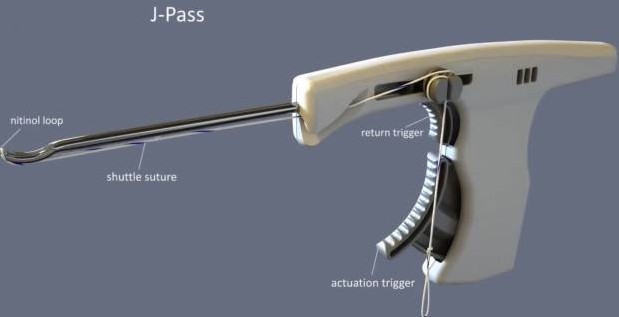
Featured Journal Article by Treg Brown, M.D.: Arthroscopically Assisted Acromioclavicular and Coracoclavicular Reconstruction with a Looped Braided Polyester Suture Band and Buckle Device
Kurt E.StollM.D.a, BenjaminHendyM.D.a, TregBrownM.D.b, NathanielCohenM.D.c, Thay Q.LeePh.D.d, SurenaNamdariM.D., M.Sc.a, PhilDavidsonM.D.e a Rothman Institute of Orthopaedics at Thomas Jefferson University Hospitals, Philadelphia, Pennsylvania, U.S.A. b The Orthopaedic Institute, Carbondale, Illinois, U.S.A. c OrthoNorCal, Los Gatos, California, U.S.A. d Orthopaedic Biomechanics Laboratory, Congress Medical Foundation, Pasadena, California, U.S.A. e Davidson Orthopedics, Salt Lake City, Utah, U.S.A. Received 11 October 2021, Accepted 24 December 2021, Available online 22 April 2022. Abstract Acromioclavicular (AC) joint injuries occur with a traumatic load to the lateral aspect of the shoulder and account for 9% of all shoulder girdle injuries. Rockwood classified AC joint injuries as type I though type VI, based on severity of injury, radiographic findings, and reducibility of the AC joint. Type I and II injuries are typically managed nonoperatively, whereas type IV, V, and VI are managed operatively to address the significant soft tissue disruption, persistent AC joint instability, and apical shoulder deformation. Treatment of type III injuries remain controversial. Several techniques have been described to treat AC joint injuries with no consensus for optimal treatment. “Anatomic” double-tunnel coracoclavicular ligament reconstruction is one currently popular technique to address AC joint injuries; however, clavicle and coracoid fractures are well-described complications of this technique. The objective of this technical report is to describe our preferred technique to address AC joint injuries. This technique involves using a looped braided polyester prosthetic band and low-profile buckle with allograft augmentation using a device to pass materials around the coracoid process. Technique Video Media player Download : Download video (62MB) Video 1. Patient with a Grade 4 AC dislocation in beach chair position. AC joint, coracoid, clavicle and planned clavicle incision is marked out. Posterior viewing portal is established and anterior rotator interval portal is used to debride around coracoid. Accessory anterior-inferior portal is established to see the base of the coracoid and resect tissue inferiorly. The open incision over the clavicle is made. This is a chronic case, so the incision is made at lateral edge of the clavicle. Clavipectoral fascia is released to establish pathway under the clavicle. The J-Pass device is loaded with a passing suture. An animated video is shown to explain how the J-Pass device is used to pass suture around the coracoid. The J-Pass is then used to pass a passing suture from medial to lateral around the coracoid. The suture is then passed under the clavicle. The M-Fix and graft are passed under the coracoid and clavicle. The AC joint is reduced, and the M-Fix is provisionally fixed. Reduction is confirmed with arthroscopy. The M-Fix is locked, and the tail is cut. The graft is sutured to itself. Introduction Injuries to the acromioclavicular (AC) joint are common in the active adult population and most often occur from a fall onto the lateral shoulder. This results in direct force onto the superior aspect of the acromion process, resulting in injury. The Rockwood classification of AC joint injuries helps guide management, with type I and II injuries typically managed conservatively and type IV to VI with surgical intervention. Treatment for type III injuries remains controversial, and choice of treatment depends upon an array of physician and patient related factors. There is no gold standard for the surgical management of AC joint separations with more than 150 surgical techniques described in the literature.1 Surgical techniques include open and arthroscopic approaches to reconstruct the coracoclavicular (CC) ligaments and/or AC ligaments with use of tendon autograft or allograft, temporary joint stabilization with hardware, distal clavicle excision, and CC space-stabilizing procedures using suture loop, screw, button, suture anchors, or similar devices. However, surgical treatment of AC joint injuries has been fraught with high rates of failure and complications. Reports show up to 80% of patients have loss of radiographic reduction and 20-30% of patients managed surgically undergo reoperation due to complications.2,3 Anatomic double-tunnel CC ligament reconstruction is one of the most common techniques to address AC joint injuries, as described by Mazzocca et al.4 Other techniques use single-drill tunnels into the clavicle and coracoid.5 Inherent in these techniques are two bone tunnels in the distal clavicle, which have been shown in biomechanical studies to weaken the clavicle, and there have been several case reports of clavicle fractures.6,7 Other techniques require drilling into the coracoid, which also raises concern for coracoid fractures.8 In an effort to mitigate the morbidity of bone tunnels in the distal clavicle and lessen loss of reduction, we describe a tunnel-free technique involving the use of a broad polyester suture band (4 mm or 7 mm) with a preattached metal buckle and allograft augmentation (see Table 1 for advantage and disadvantages). Table 1. Advantages and Disadvantages Advantages Disadvantages 1. No bone tunnels are created in the clavicle or coracoid; therefore, the bone is not weakened. 1. More extensive dissection is needed around the clavicle in order to allow passage of the graft and M-fix. 2. M-Fix has a looped woven prosthetic band configuration. 2. In order to successfully pass the graft and M-fix around the coracoid, adequate soft tissue dissection must be done, putting neurovascular structures at risk. 3. The M-Fix can be used as provisional fixation prior to final locking, which enables assessment of reduction on fluoroscopy. 3. There is a risk of hardware prominence on the clavicle. Surgical Technique For details on the surgical technique, see Video 1 and Tables 2 and 3. Table 2. Steps Step 1: Patient Positioning • Beach chair • Drape to allow a wide access to the posterior and medial shoulder. • Ensure access for fluoroscopy. Step 2: Diagnostic Glenohumeral Arthroscopy • Standard posterior viewing portal • Anterior portal through rotator interval • Perform diagnostic arthroscopy. Step 3: Coracoid Process Exposure • Work laterally to medially. • Debride lateral and inferior aspect of coracoid process. • An accessory anterior-inferior portal helps with visualization. Step 4: Mini-Open Exposure of Clavicle • Incision is 4 cm medial to the AC joint. • Expose clavicle anteriorly and posteriorly • Clear soft tissue from the clavicle at the level of the coracoid process. Step 5: Subcoracoid Passage Preparation • Reinsert arthroscope through posterior portal. • Ensure there is a clear path between clavicle and coracoid process. • May use a blunt obturator through clavicle incision to clear out soft tissue. Step 6: Subcoracoid Passage of Shuttling Suture
Dr. Mike Davis, M.D. begins Surgical Orthopaedic Care at Harrisburg Medical Center
### PRESS RELEASE – ORTHOPAEDIC INSTITUTE OF SOUTHERN ILLINOIS September 28, 2021 The Orthopaedic Institute of Southern Illinois (OISI) is excited to announce the expansion of our clinic at Harrisburg Medical Center (HMC). For many years, OISI has partnered with Harrisburg Medical to provide orthopaedic services both in an outpatient clinic setting as well as covering calls through their emergency room. Through this partnership, many residents of Saline, Gallatin, Pope and Hardin counties have been able to receive care close to home. Moving forward, Harrisburg is looking to expand orthopaedic services by providing surgical care right there at the Medical Center. “This is a way for us to continue keeping patients at home by receiving state-of-the-art orthopaedic care in our hospital,” said Don Hutson, Harrisburg Medical Center’s Chief Executive Officer. “Dr. Mike Davis has been caring for our Southeastern Illinois patients in our Specialty Clinic for some time now and we are excited to take it a step further to complete those surgeries at HMC.” Southern Illinois Healthcare (SIH) recently completed an affiliation with HMC in August of 2021 and has been strategically working with OISI over the past year to expand orthopaedic services in Southern Illinois. “To continue providing high quality orthopaedics through strong partnerships we have with SIH is important to the Orthopaedic Institute. We are excited to expand our services in the Harrisburg market to bring full-scale orthopaedic services in the community,” said Justin Harris, OISI’s Chief Executive Officer. While Dr. Mike Davis, M.D. has been seeing patients at the Harrisburg Medical Center’s Specialty Clinic over the past year, he will begin to care for his patients surgically beginning October 1, 2021. Dr. Davis has been in the Southern Illinois community for over 30 years and has a passion serving those with general orthopaedic conditions and specifically those with hip and knee pain. He is currently seeing patients in Harrisburg on Friday and will continue seeing patients at the OISI Herrin and Carbondale offices. Call today to schedule an appointment, 618-997-6800, as same-day appointments are often available, or visit our website, www.oisil.com to learn more. ###
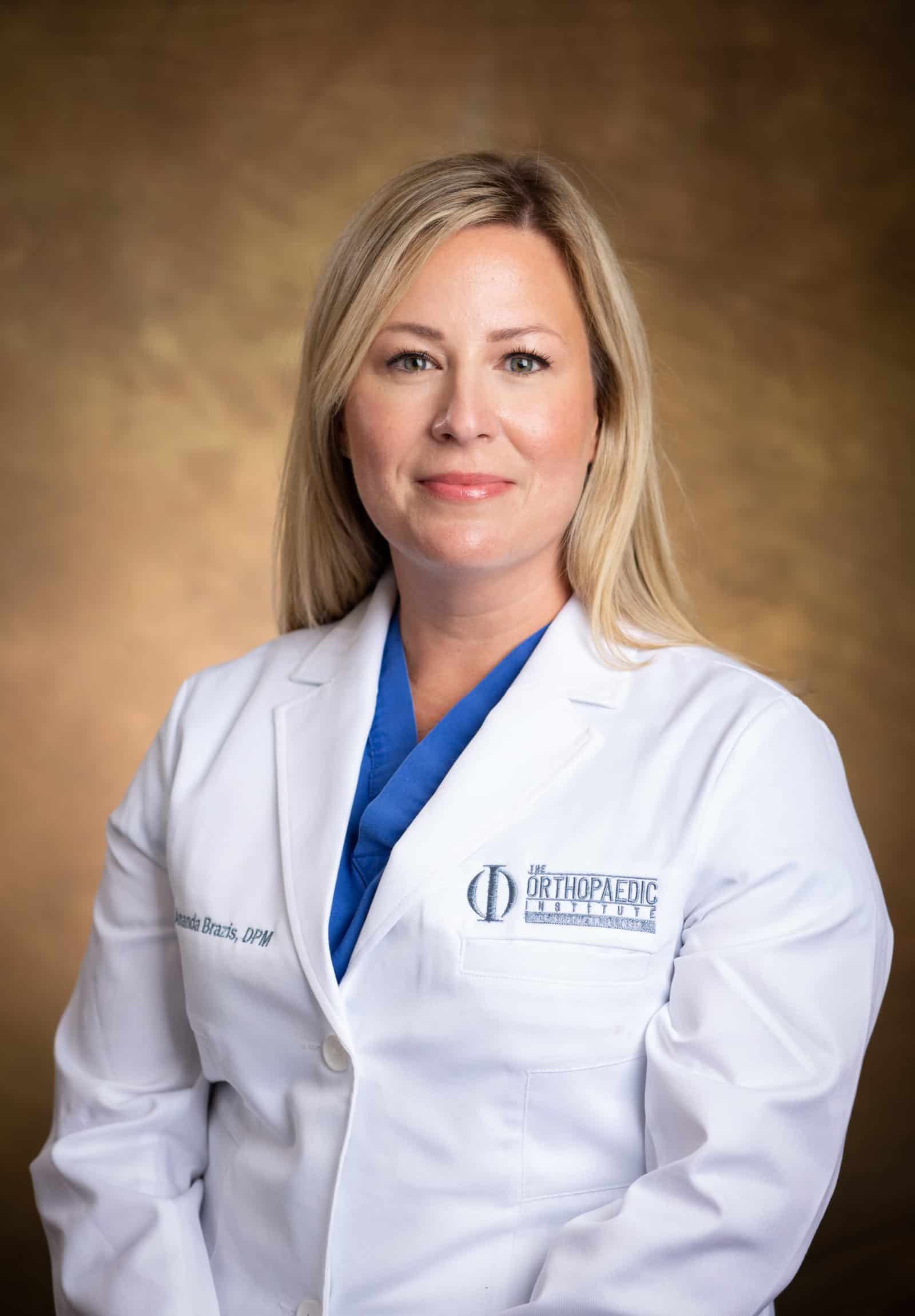
Dr. Amanda L. Brazis, DPM, joins the Orthopaedic Institute!
### PRESS RELEASE – ORTHOPAEDIC INSTITUTE OF SOUTHERN ILLINOIS August 1, 2021 The Orthopaedic Institute of Southern Illinois (OISI) is excited to announce the addition of Dr. Amanda L. Brazis, DPM, as the newest member of its orthopaedic surgical team. Dr. Brazis is a board-certified podiatrist focusing on orthopaedic foot and ankle care and surgical procedures, including total ankle replacement. Dr. Brazis has a passion serving those with foot and ankle conditions. From patients with diabetes who have suffered with chronic foot and/or ankle pain to patients who have had an acute injury from a fall, she is eager to serve your need. Her overall practice focuses on areas such as arthrocentesis, athlete’s foot, bunion surgery, diabetic care, lower leg/ankle fractures and dislocations, plantar fasciitis, and wound care. Dr. Brazis is originally from Chicago, Illinois, where she did her undergraduate at Loyola University, her professional schooling at Rush University, and her surgical residency at Rosalind Franklin University of Medicine and Science in North Chicago. She has been Southern Illinois for the past decade with Southern Illinois Healthcare, treating patients at both Herrin Hospital and Memorial Hospital of Carbondale. “It has been a pleasure serving my patients through the SIH system and now I look to bring an even more focused approach to foot and ankle care at the Orthopaedic Institute,” said Dr. Amanda L. Brazis, DPM. “My family and I live right here in Southern Illinois where my children attend and participate in school and community activities, and my husband and I look forward to many more years to come.” Dr. Brazis will start seeing patients August 1st at the Orthopaedic Institute in Herrin and will be providing most of her surgical care at the same-day, outpatient surgery center, Southern Illinois Orthopedic Center (SIOC), right next door. She will also continue to take medical call at Herrin Hospital and Memorial Hospital of Carbondale and complete surgical care as needed. Call today to schedule an appointment, 618-997-6800, as same-day appointments are often available, or visit our website, www.oisil.com. ###
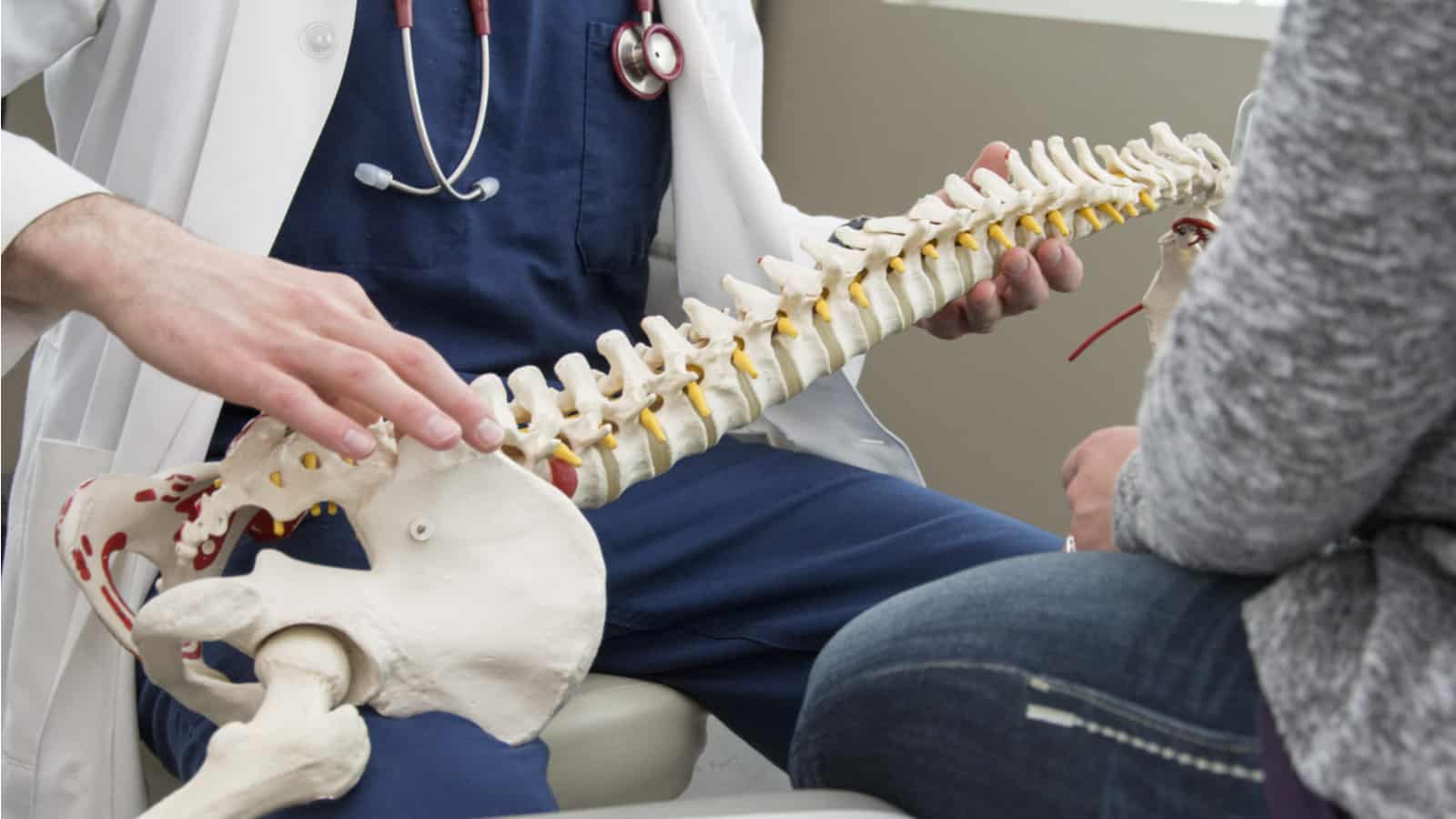
Low Back Pain: Causes and Conservative Treatments
Low Back Pain: Causes and Conservative Treatments by Amelie Alba, PT, OISI Therapy CAUSES – age related degenerative changes OR injury – arthritis (a gradual degeneration of cartilage in your spine) – stenosis (narrowing of spinal canal that can cause nerve impingement and pain) – disc dysfunction – herniated or bulging discs can also cause nerve pain – myofascial pain – muscle and/or soft tissue pain which can be of unknown origin CONSERVATIVE TREATMENTS Physical Therapy: Exercise is the foundation of conservative treatment for low back pain. Every body is different and certain exercises may not be appropriate for all types of back pain. Exercise programs should be individualized to your particular symptoms and/or condition. Most programs will include postural strengthening, stretching/flexibility exercises, aerobic exercises, balance training and core strengthening. Other treatments such as needling, massage, electrical stimulation, and ultrasound may be used to help with pain as well. Maintaining good compliance with exercise program and activity level is key to preventing further injuries. Diet: Inflammatory diets have been shown to increase pain levels – avoid refined sugars, processed foods, or foods high in trans fats. The weight loss that comes with a healthier diet will decrease the pressure on your spine and can result in less pain as well. Lifestyle: Recognizing and accepting your limitations will go a long way towards protecting your back day to day. You may need to adapt and change the way you do certain activities. Take breaks before you need them to avoid painful flare-ups. Pay attention to movements or activities that increase your pain, and try to avoid or change those activities so they are not so strenuous. Smoking, although it feels like it may be helping you cope with your pain, can actually increase your pain levels as nicotine has been shown to increase pain and decrease rate of healing. Medications: Your doctor may prescribe or recommend nerve pain medications, anti-inflammatory medications, and muscle relaxants that can be very helpful in managing your symptoms. Injection-based Treatments: Pain management injections such as nerve blocks, nerve ablations, or epidural steroid injections can significantly decrease pain levels. To make an appointment with Amelie or any of our physical or occupational therapists, please call 618-984-2484 today!
Take Care of Your Bones!
Can you imagine not being able to garden, travel or spend quality time with your spouse, kids or grandchildren? Without good bone health, you won’t be able to do what you love whenever you want to do it. Developing good bone health starts when you’re young and should be supported, promoted, monitored and maintained as you age. To make an appointment with the Healthy Bone Clinic and Kali Moe, NP, or our Healthy Bone Medical Director, Dr. Bob Golz, call 618-997-6800! Here are 7 reasons why you should take better care of your bones today: Bones protect important organs inside your body like your brain. Your skull is the safety helmet inside your head. The rib cage made out of bone protects your lungs and heart. Your skeletal system keeps your insides in place and adds an extra layer of protection when you need it for example, during a fall or accident. Bones form the structure of your body and make it move the way it should. It would be hard to bend over to pick up your grandchild, work in your flower bed or reel in that big one without the help of your muscles and bone working together. Healthy bones make you beautiful. Think of the phrase “good bone structure.” Your jaws and teeth are made out of bone, and they support the rest of your face and skull above it. Strong, healthy bones create strong teeth and a beautiful smile. These same bones support and prevent the fat, muscle and tissue of your cheek from sagging. You’ll look more attractive and youthful throughout your life with good bone health. Bones hold and build important nutrients and minerals that make your body work its best. Calcium is stored in the bone, and in the bone marrow, red and white blood cells are made. Red blood cells carry oxygen to your muscles and organs including your brain, liver, heart and digestive system. White blood cells fight colds, flu and other diseases. Calcium has many important roles including carrying messages between your brain and every other part of your body via nerves. Your body will use the calcium stored in your bones for this function if you don’t consume enough calcium in your diet. Your body continually makes and breaks down bone. Before the age of 30, you produce new bone faster than you break it down. After the age of 30, you lose more bone than you make it. Attaining good bone mass while you are younger will help you retain more of your bone later in life and decrease your chance of bone disease. Without good bone health, you are prone to osteoporosis. Osteoporosis is a disease that causes your bones to become weak and brittle. It is often called a “silent disease” because most people don’t know they have it until they break a bone or experience a fracture. 1 out of 2 women over the age of 50 and 1 out of 4 men will experience an osteoporatic fracture in their lifetime. One osteoporatic fracture in your spine, hip or wrist makes it more likely you’ll have another one as each fracture weakens your bones further. Taking care of injuries associated with bone loss can cause financial strain and emotional distress. When you fracture a bone, you may have to miss work to go to doctors appointments, surgery and physical therapy costing time and money. On top of that, you may have to say goodbye to dance lessons, gardening, travel plans, hunting and other activities you enjoy as your body recovers and heals. However, there is good news. It is never too late to maintain, gain or promote better bone health and prevent bone disease. Be your best advocate and ask your healthcare provider to test and monitor your bones. When you are proactive about your health, you can live life to its fullest and enjoy doing what you love most to do. Take care of your bones, and your bones will take care of you!

Southern Illinois Orthopedic Center (SIOC) receives 2021 AAAHC reaccreditation
https://thesouthern.com/business/local/southern-illinois-orthopedic-center-receives-2021-aaahc-reaccreditation/article_0f9a591c-3566-55ec-8e2d-46c823476111.html
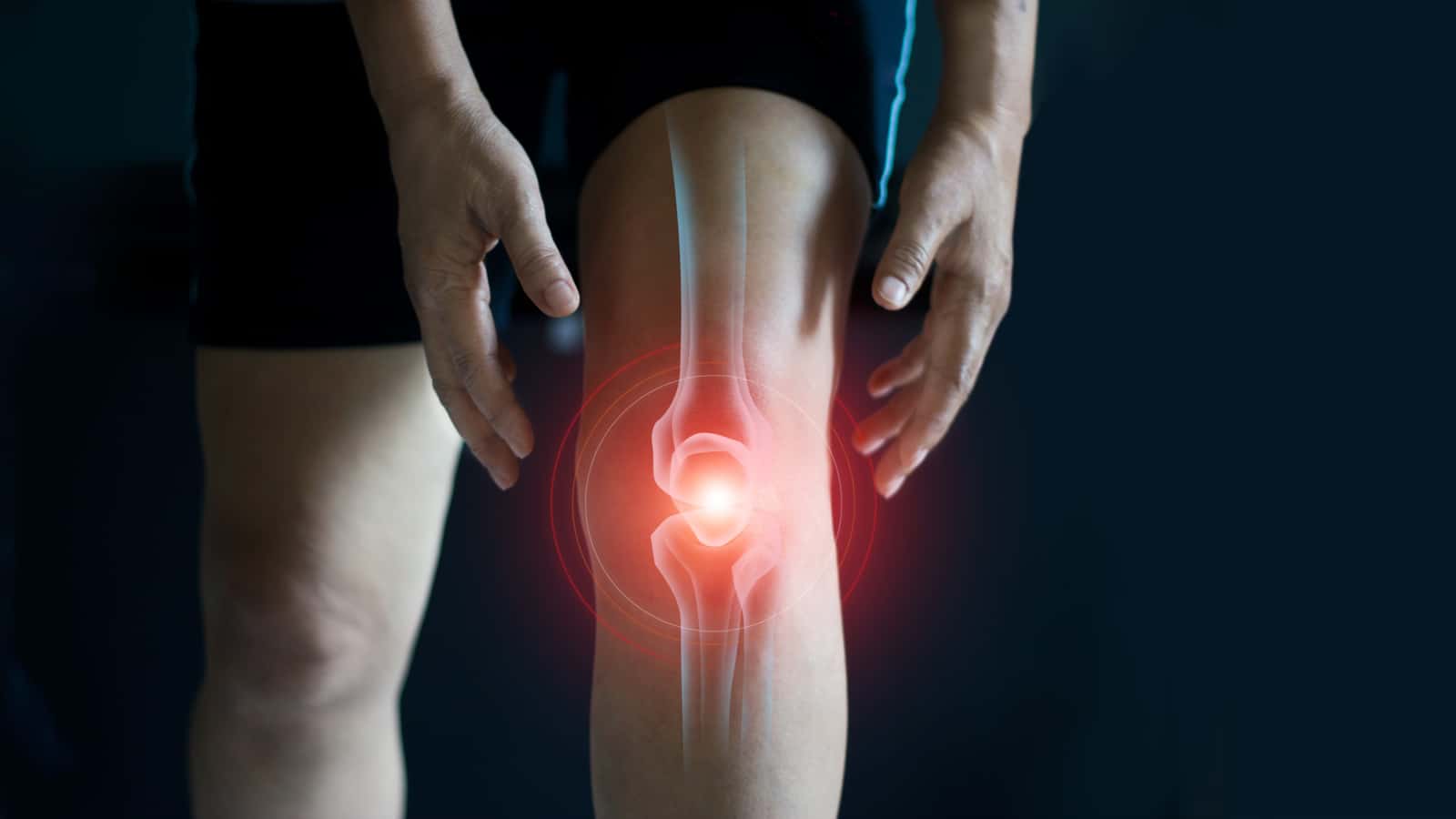
5 Tips to Improve your Orthopaedic Health
Every day, hundreds of millions of people worldwide wake up with orthopaedic issues that limit their ability to live a free and active life, making bone and joint conditions among the most common causes of severe long-term pain and physical disability. Here are five simple tips to improve your orthopaedic health for life. 1. Stay Active One of the most important ways to maintain healthy bones and joints in the long-run is daily exercise. Whether you are implementing an active lifestyle as a preventative measure or trying to strengthen an already fragile skeletal system, the key to developing strong bones and joints over time is to start slow and ease into a routine that works for you. Strengthen – Avoid high-impact forms of exercise that could cause stress to your bones and joints. Instead, try taking a brisk walk or using hand-held weights or stretch bands to build strength and resistance. Stretch – Building your flexibility is important to maintaining a wide range of mobility while avoiding injury and developing better balance. Before and after exercising, take five minutes to stretch your leg, back, and arm muscles. Cool Down – Before you end your workout, ease into a cool-down exercise, such as a light jog around the track, to prevent injury and unnecessary tightness or soreness post-workout. 2. Eat to Live In combination with the right amount of exercise, a healthy diet promotes healthy bones and joints. The key to maintaining a balanced diet is finding ways to be intentional about incorporating nutritional foods into each meal. Make sure you are getting enough of the following nutrients to keep your orthopaedic health on track: Calcium – A mineral necessary for bone formation, calcium-rich foods such as milk products are important for building strong orthopaedic health. Vitamin D – Few foods, besides fatty fish, dairy products, and egg yolk, contain high amounts of vitamin D, so getting a safe amount of sunlight can be a good source. Supplements – If you are unable to get the right amount of calcium or vitamin D in your diet, taking a supplement is recommended. However, it is important to note that a “supplement” does not translate to a perfect “substitute.” 3. Dress for Comfort and Support Don’t let fashion get in the way of your orthopaedic health. The clothing we wear can make or break our bone and joint health, so adorning the proper gear can be an easy way to work towards a pain-free life. Instead of wearing high heels, which throw the body out of its natural position, look for shoes that provide comfort and support. Make sure your feet have plenty of room within the shoe to avoid cramping and deforming. Additionally, wear looser fitting clothes to aid proper blood circulation and flexibility of muscles. 4. Create Healthy Habits Creating healthy habits is essential for long-term orthopaedic health. Practice good posture by always keeping both feet on the ground to distribute weight evenly as well as pulling your shoulders back to straighten out your spine. Avoid putting stress on your back and shoulders by carrying lighter loads, evening out your backpack straps, or using a suitcase with wheels. When sleeping, use supportive pillows, and choose a position that complements the natural curvature of the spine. 5. Practice Precaution Taking precautionary measures is essential when it comes to your bone and joint health. If you notice any changes in your orthopaedic health, make sure you take action before it is too late. Ice the area to reduce swelling Wrap the area to compress and keep in place Elevate the area to encourage blood flow If the bone or joint continues to weaken or the pain continues to worsen, it is important to seek medical attention right away. From knee surgery to hip replacement and rehabilitation, contact our highly skilled orthopaedic specialists here at The Orthopaedic Institute to receive the right care and services to get you back on your feet quicker.