
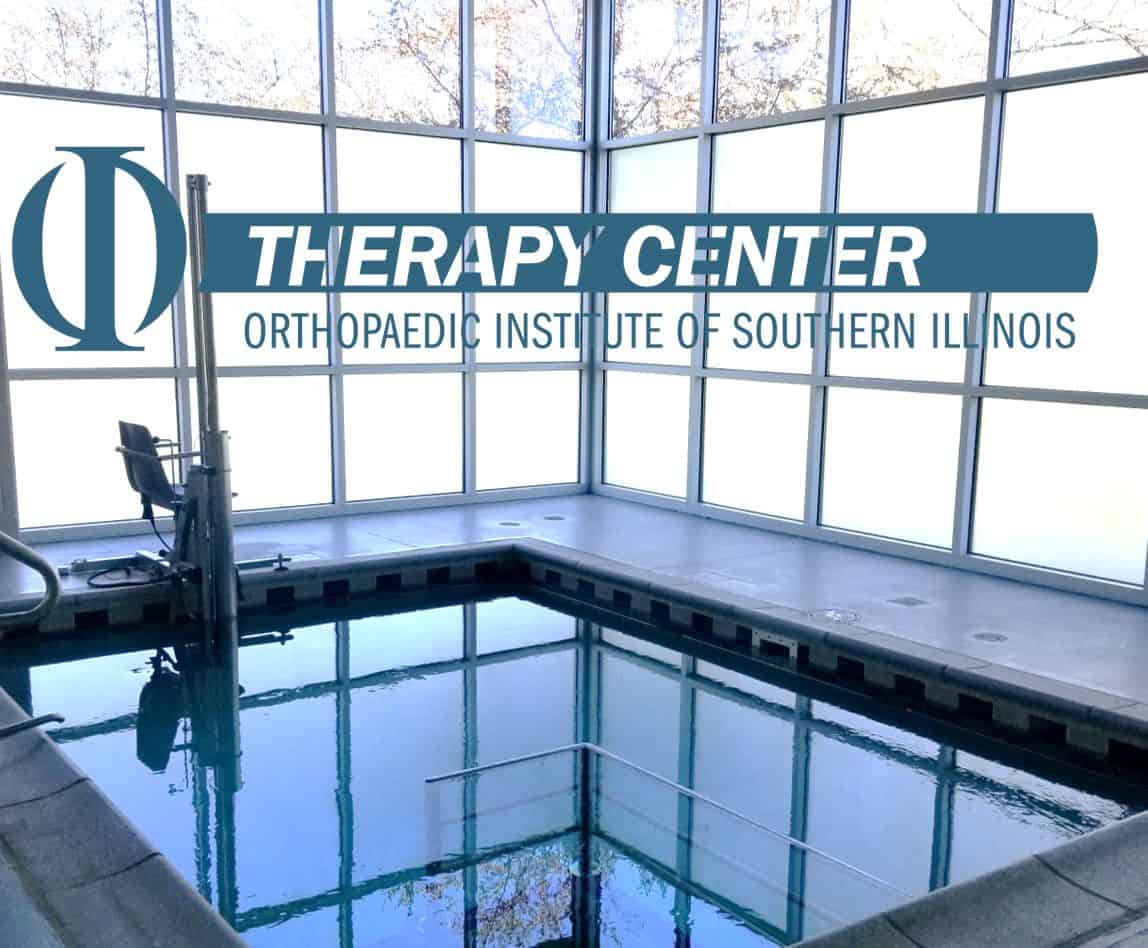
Did you know that the OI physical therapy department offers warm water aquatics? Warm water aquatics is an exercise therapy program that is performed in a heated pool. With one-on-one guidance by a certified physical therapist, this special therapy will help to heal your pain and increase your exercise performance. “If a patient cannot tolerate a traditional gym-based therapy exercise, the warm water pool allows the patient to exercise more comfortably,” said Pamm Hunter, Director of Physical Therapy at the Orthopaedic Institute of Southern Illinois. Warm water aquatic exercise is great for patients with arthritis, bone fractures, disability and other factors such as being overweight which may make it uncomfortable or too painful to perform the same exercise on land. There are numerous positive benefits of using warm water for therapeutic exercise. The buoyancy of water allows a patient to exercise with less effort. Buoyancy is the property of water that pushes your body upward and allows you to float. This special property of water puts less stress on your feet, knees and hips than land based exercise. This will make it easier and less painful for you to perform therapeutic exercise and movement. The warmth relaxes the muscles and helps reduce pain. The OI therapy pool runs at 94 degrees Fahrenheit. The warm water acts as a liquid heating pad surrounding you and relaxing every muscle of your body at once. The warmth reduces joint pain from arthritis, fibromyalgia and other chronic pain issues. The warm water increases blood circulation. Poor blood flow can contribute to joint pain, muscle aches and weakness. Good blood circulation allows nutrient rich blood and oxygen to flow throughout the body. When muscles are well oxygenated, a patient can exercise longer and gain its benefits before feeling tired. The water helps improve balance without fear of falling. The buoyancy of water moves and pushes on the body. To keep the body upright, your body will naturally adjust to these forces thus increasing your balance. Because you are performing these exercises in water, the risk for injury is small if balance is lost. The gentle water resistance helps to build strength. The viscosity of water forms a gentle yet effective environment to strengthen muscles during therapeutic exercise. Even though it feels easier to exercise in water, exercise in water can provide up to 15 times more resistance than the same exercise on land. The depth of the warm water therapy pool varies from shallow to deep. This allows for partial to non-weight bearing exercises. As you move deeper into the pool, your exercise will become less weight-bearing. Your physical therapist will access you and your body’s specific needs and guide you with what exercise you should perform and at what depth. The reduced gravity effects of water allow gentle joint and spinal traction to decompress nerves. Healthy and well functioning joints have a small bit of space lubricated with fluid in between them. With age and/or certain injury, our joints can become compressed especially in the spine causing back pain. The buoyant property of water allows a patient to gain relief from this pain by gently pulling the joint and spine in different directions. This leads to more space between the affected joints to relieve pain caused by this type of compression. Call today to make an appointment with one of our accredited physical therapists at OISI to see if warm water aquatic therapy will benefit you, 618-984-2484.
Low Back Pain: Causes and Conservative Treatments
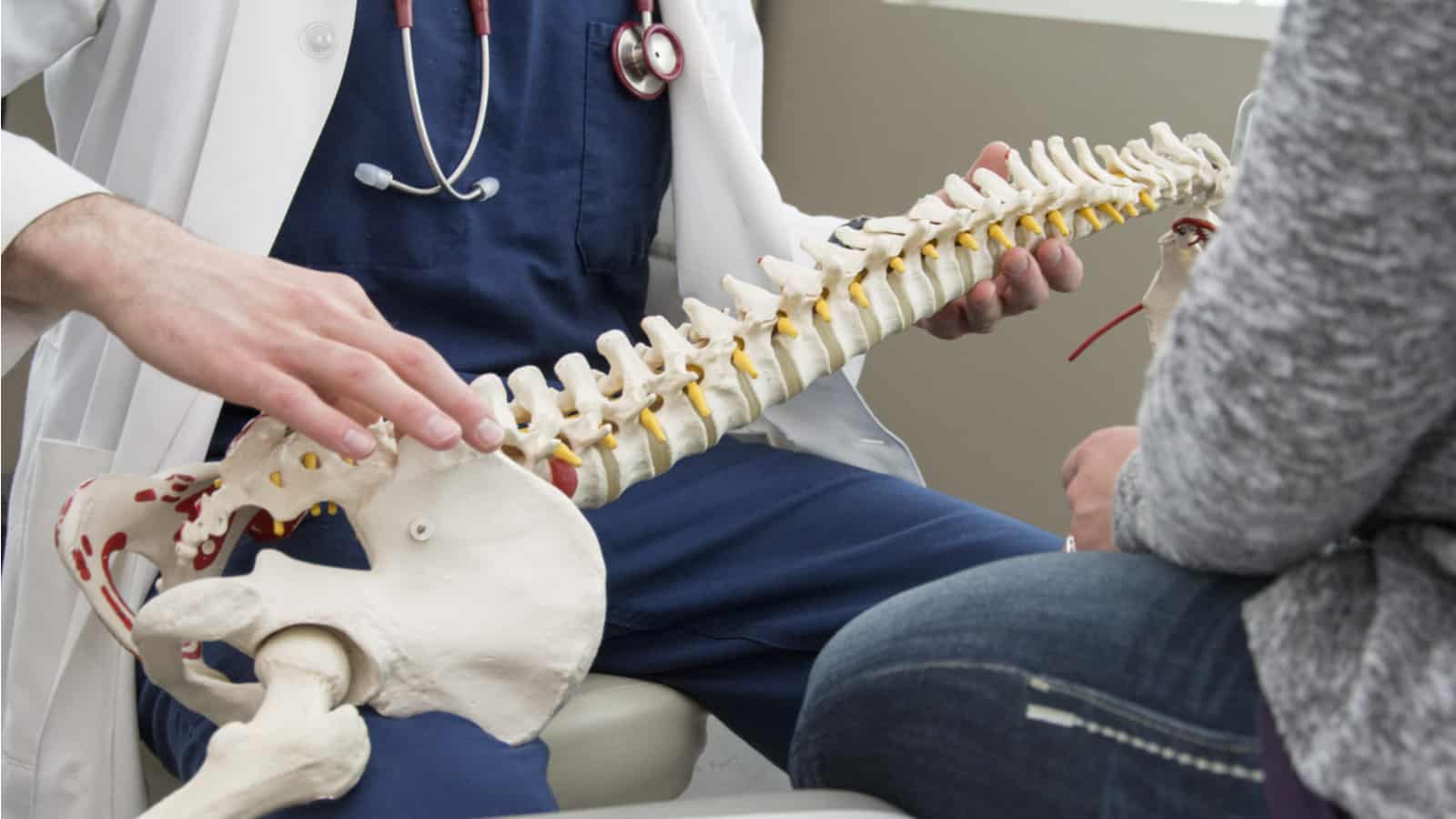
Low Back Pain: Causes and Conservative Treatments by Amelie Alba, PT, OISI Therapy CAUSES – age related degenerative changes OR injury – arthritis (a gradual degeneration of cartilage in your spine) – stenosis (narrowing of spinal canal that can cause nerve impingement and pain) – disc dysfunction – herniated or bulging discs can also cause nerve pain – myofascial pain – muscle and/or soft tissue pain which can be of unknown origin CONSERVATIVE TREATMENTS Physical Therapy: Exercise is the foundation of conservative treatment for low back pain. Every body is different and certain exercises may not be appropriate for all types of back pain. Exercise programs should be individualized to your particular symptoms and/or condition. Most programs will include postural strengthening, stretching/flexibility exercises, aerobic exercises, balance training and core strengthening. Other treatments such as needling, massage, electrical stimulation, and ultrasound may be used to help with pain as well. Maintaining good compliance with exercise program and activity level is key to preventing further injuries. Diet: Inflammatory diets have been shown to increase pain levels – avoid refined sugars, processed foods, or foods high in trans fats. The weight loss that comes with a healthier diet will decrease the pressure on your spine and can result in less pain as well. Lifestyle: Recognizing and accepting your limitations will go a long way towards protecting your back day to day. You may need to adapt and change the way you do certain activities. Take breaks before you need them to avoid painful flare-ups. Pay attention to movements or activities that increase your pain, and try to avoid or change those activities so they are not so strenuous. Smoking, although it feels like it may be helping you cope with your pain, can actually increase your pain levels as nicotine has been shown to increase pain and decrease rate of healing. Medications: Your doctor may prescribe or recommend nerve pain medications, anti-inflammatory medications, and muscle relaxants that can be very helpful in managing your symptoms. Injection-based Treatments: Pain management injections such as nerve blocks, nerve ablations, or epidural steroid injections can significantly decrease pain levels. To make an appointment with Amelie or any of our physical or occupational therapists, please call 618-984-2484 today!
5 Tips to Improve your Orthopaedic Health
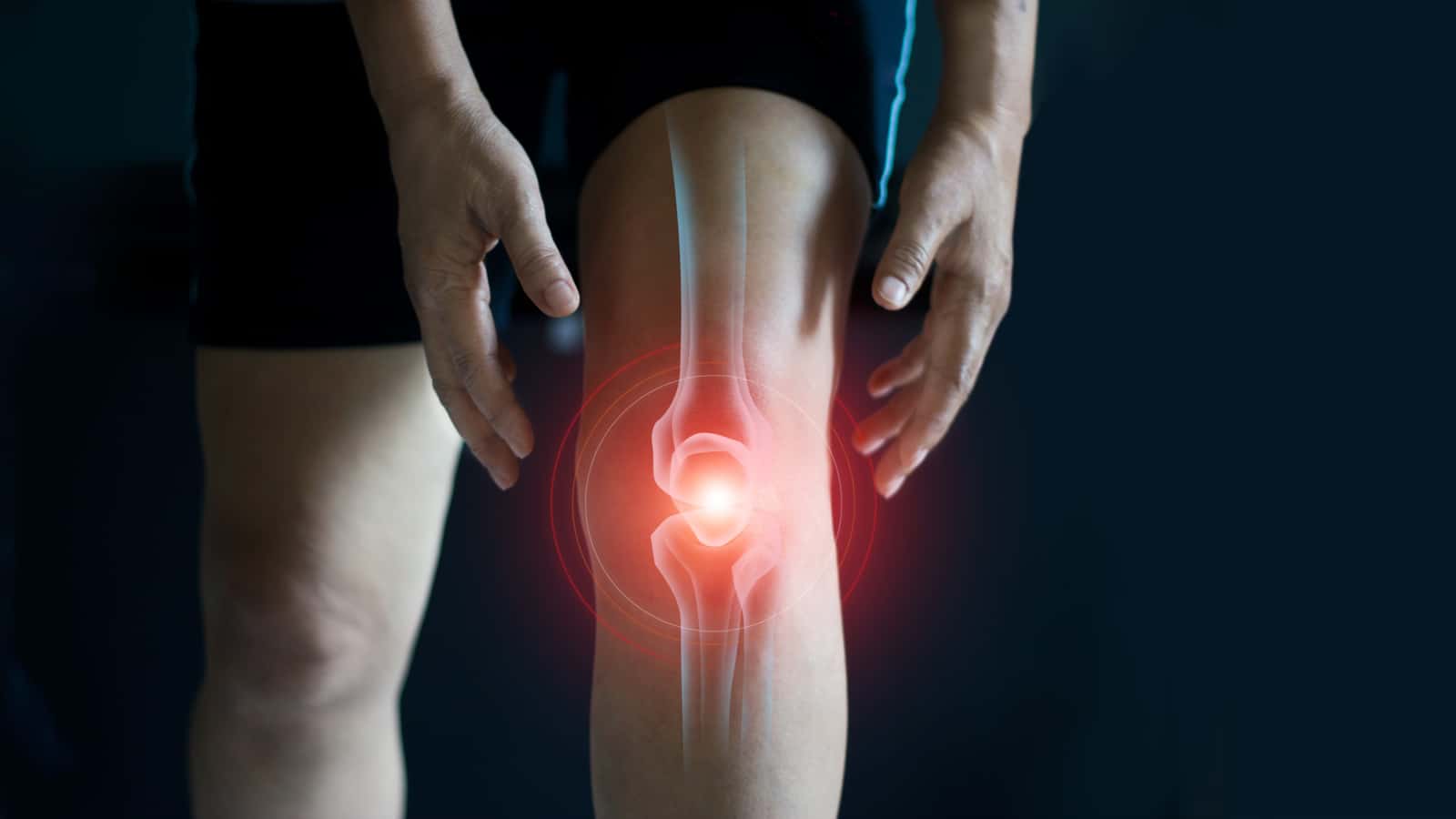
Every day, hundreds of millions of people worldwide wake up with orthopaedic issues that limit their ability to live a free and active life, making bone and joint conditions among the most common causes of severe long-term pain and physical disability. Here are five simple tips to improve your orthopaedic health for life. 1. Stay Active One of the most important ways to maintain healthy bones and joints in the long-run is daily exercise. Whether you are implementing an active lifestyle as a preventative measure or trying to strengthen an already fragile skeletal system, the key to developing strong bones and joints over time is to start slow and ease into a routine that works for you. Strengthen – Avoid high-impact forms of exercise that could cause stress to your bones and joints. Instead, try taking a brisk walk or using hand-held weights or stretch bands to build strength and resistance. Stretch – Building your flexibility is important to maintaining a wide range of mobility while avoiding injury and developing better balance. Before and after exercising, take five minutes to stretch your leg, back, and arm muscles. Cool Down – Before you end your workout, ease into a cool-down exercise, such as a light jog around the track, to prevent injury and unnecessary tightness or soreness post-workout. 2. Eat to Live In combination with the right amount of exercise, a healthy diet promotes healthy bones and joints. The key to maintaining a balanced diet is finding ways to be intentional about incorporating nutritional foods into each meal. Make sure you are getting enough of the following nutrients to keep your orthopaedic health on track: Calcium – A mineral necessary for bone formation, calcium-rich foods such as milk products are important for building strong orthopaedic health. Vitamin D – Few foods, besides fatty fish, dairy products, and egg yolk, contain high amounts of vitamin D, so getting a safe amount of sunlight can be a good source. Supplements – If you are unable to get the right amount of calcium or vitamin D in your diet, taking a supplement is recommended. However, it is important to note that a “supplement” does not translate to a perfect “substitute.” 3. Dress for Comfort and Support Don’t let fashion get in the way of your orthopaedic health. The clothing we wear can make or break our bone and joint health, so adorning the proper gear can be an easy way to work towards a pain-free life. Instead of wearing high heels, which throw the body out of its natural position, look for shoes that provide comfort and support. Make sure your feet have plenty of room within the shoe to avoid cramping and deforming. Additionally, wear looser fitting clothes to aid proper blood circulation and flexibility of muscles. 4. Create Healthy Habits Creating healthy habits is essential for long-term orthopaedic health. Practice good posture by always keeping both feet on the ground to distribute weight evenly as well as pulling your shoulders back to straighten out your spine. Avoid putting stress on your back and shoulders by carrying lighter loads, evening out your backpack straps, or using a suitcase with wheels. When sleeping, use supportive pillows, and choose a position that complements the natural curvature of the spine. 5. Practice Precaution Taking precautionary measures is essential when it comes to your bone and joint health. If you notice any changes in your orthopaedic health, make sure you take action before it is too late. Ice the area to reduce swelling Wrap the area to compress and keep in place Elevate the area to encourage blood flow If the bone or joint continues to weaken or the pain continues to worsen, it is important to seek medical attention right away. From knee surgery to hip replacement and rehabilitation, contact our highly skilled orthopaedic specialists here at The Orthopaedic Institute to receive the right care and services to get you back on your feet quicker.