

PRESS RELEASE – OISI SIGNS NEW TOTAL JOINT SURGEON
### PRESS RELEASE – ORTHOPAEDIC INSTITUTE OF SOUTHERN ILLINOIS PARTNERS WITH DEACONESS ILLINOIS TO SIGN TOTAL JOINT SURGEON April 15, 2024 The Orthopaedic Institute of Southern Illinois (OISI) in partnership with Deaconess Illinois is excited to announce the addition of Rhett MacNeille, M.D. as the newest member of our joint replacement surgical team, joining longtime partner, J. Michael Davis, M.D., who has been a part of OISI since 1992. “My family and I are excited to make Southern Illinois our home! I look forward to contributing my talents to the excellent medical community,” said Dr. Rhett MacNeille. Specializing in the most up to date minimally invasive, muscle sparing, and robotic assisted techniques for hip and knee replacements, Dr. MacNeille says, “When non-operative treatments have failed, you shouldn’t have to travel 2-3 hours to the city to get the best for your hip or knee replacement.” Dr. MacNeille was born and raised in a rural town of 12,000 in northern Arizona and has a heart for living and being with the people. Over the past 10 years, Dr. MacNeille attended Arizona State University for undergraduate studies; received his medical degree from Penn State University in Hershey, PA; completed his orthopaedic surgery residency at Loma Linda University in California; and is currently finishing his fellowship in Adult Joint Reconstruction at Hedley Orthopaedic Institute. With family in Illinois and the Midwest, Dr. MacNeille and his wife sought to get back across the Mississippi River from the West and set roots down in a small-to-mid-size community for he and his family. Instantly, they fell in love with Southern Illinois where they could experience all four seasons and develop a life of community, faith, family, and hard work. “We are lucky to have Dr. MacNeille join the Orthopaedic Institute of Southern Illinois,” said OISI President, Dr. J.T. Davis. “He is not only a great person, but he is a great total joint surgeon that puts the patient first every single time. Just as Dr. Mike Davis has done over the years, this will be a great partnership between the two of them to care for Southern Illinoisians.” The Orthopaedic Institute of Southern Illinois has partnered with Deaconess Illinois to bring Dr. MacNeille to the area and build a successful practice. Between the new Stryker Robotic program at Southern Illinois Orthopedic Center (SIOC) and the availability at our hospitals, a new era of total joints is coming to Southern Illinois. Dr. MacNeille will start seeing patients in the Fall of 2024 and appointments can begin to be made later this summer. Visit our website, www.oisil.com, to stay up-to-date and learn more! ###
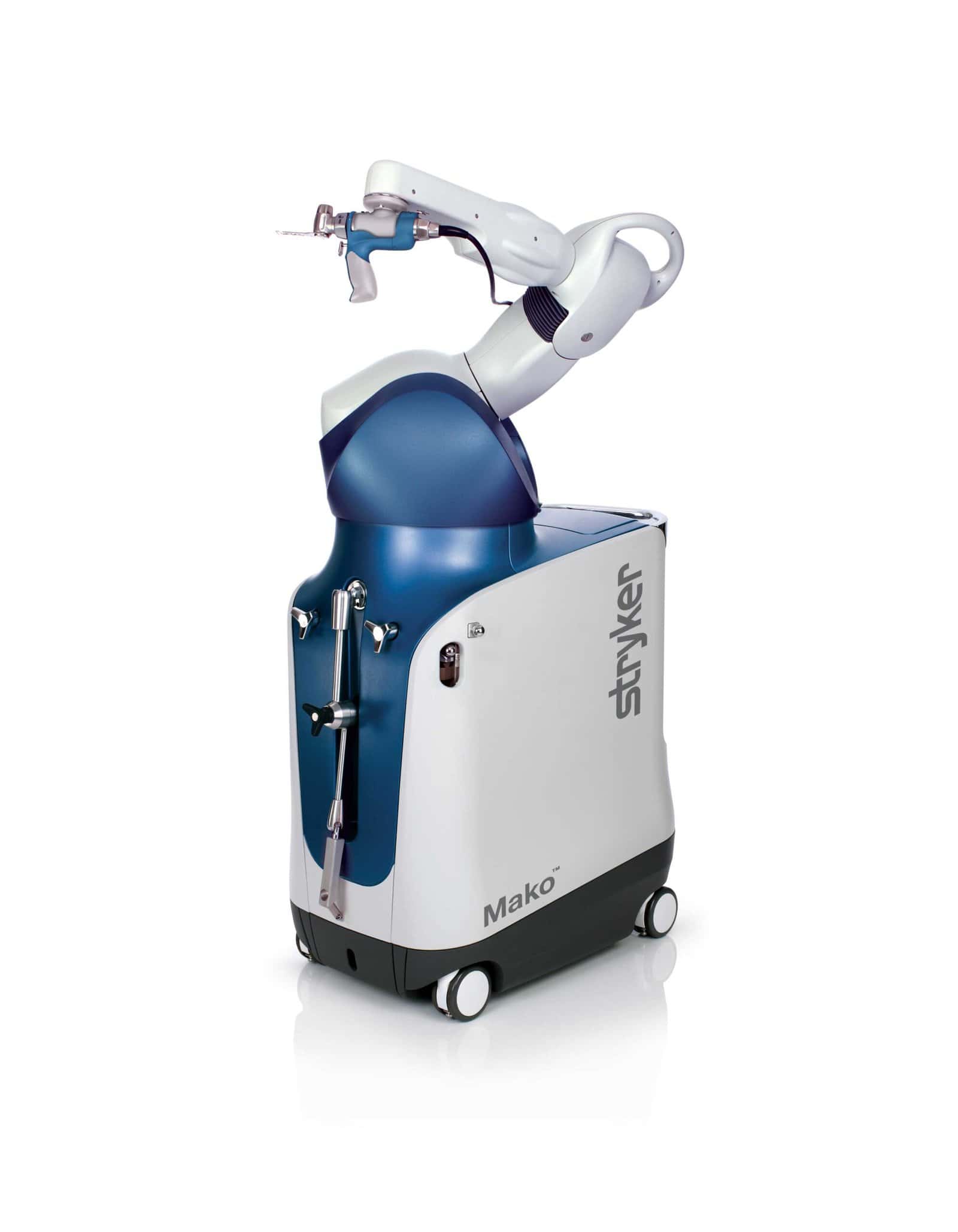
PRESS RELEASE – STRYKER MAKO SMARTROBOTICS™
### PRESS RELEASE – SOUTHERN ILLINOIS ORTHOPEDIC CENTER BRINGS INNOVATIVE TECHNOLOGY IN TOTAL KNEE REPLACEMENT WITH STRYKER’S MAKO SMARTROBOTICS™ January 3, 2024 HERRIN, IL – Southern Illinois Orthopedic Center in partnership with the Orthopaedic Institute of Southern Illinois is the first surgery center in Southern Illinois to offer Mako SmartRobotics™. This advancement in joint replacement surgery transforms the way total knee replacements are performed. Total knee replacements in the United States are expected to increase 189% by 2030,1 yet studies have shown that approximately 20% of patients are dissatisfied after conventional surgery.2 Mako Total Knee combines Stryker’s advanced robotic technology with its clinically successful Triathlon Total Knee System, which enables surgeons to have a more predictable surgical experience with increased precision and accuracy.3 Mako SmartRobotics™ consists of three unique components – 3D CT-based planning, AccuStop™ haptic technology and insightful data analytics. In clinical studies, Mako Total Knee demonstrated the potential for patients to experience less pain, less need for opiate analgesics, less need for inpatient physical therapy, reduction in length of hospital stay, improved knee flexion and soft tissue protection in comparison to manual techniques.4, 5 “With Mako SmartRobotics™ for Total Knee Replacement, I know more about my patients than ever before, and I’m able to cut less. For some patients, this can mean less soft tissue damage; for others, greater bone preservation,”5,6 said Dr. Mike Davis, MD, surgeon and partner at SIOC and OISI. “Mako’s 3D CT allows me to create a personalized plan based on each patient’s unique anatomy all before entering the operating room. During surgery, I can validate that plan and make any necessary adjustments while guiding the robotic arm to execute that plan. It’s exciting to be able to offer this transformative technology across the joint replacement service line to perform total knee replacements.” “We are proud to be the first surgery center in Southern Illinois to offer this highly advanced robotic technology in our area,” said Dr. J.T. Davis, MD, Medical Director at Southern Illinois Orthopedic Center. “This addition to our orthopaedic service line further demonstrates our commitment to provide the community with outstanding healthcare.” For more information regarding the Mako SmartRobotics™ for Total Knee Replacement, visit Mako Robotic Total Knee Replacement or call us at 618-997-6800 to make an appointment with Dr. Mike Davis. ### IMPORTANT INFORMATION Knee Replacements Knee replacement is intended for use in individuals with joint disease resulting from degenerative, rheumatoid and post-traumatic arthritis, and for moderate deformity of the knee. Knee replacement surgery is not appropriate for patients with certain types of infections, any mental or neuromuscular disorder which would create an unacceptable risk of prosthesis instability, prosthesis fixation failure or complications in postoperative care, compromised bone stock, skeletal immaturity, severe instability of the joint, or excessive body weight. Like any surgery, joint replacement surgery has serious risks which include, but are not limited to, pain, infection, bone fracture, change in the treated leg length (hip), joint stiffness, hip joint fusion, amputation, peripheral neuropathies (nerve damage), circulatory compromise (including deep vein thrombosis (blood clots in the legs)), genitourinary disorders (including kidney failure), gastrointestinal disorders (including paralytic ileus (loss of intestinal digestive movement)), vascular disorders (including thrombus (blood clots), blood loss, or changes in blood pressure or heart rhythm), bronchopulmonary disorders (including emboli, stroke or pneumonia), heart attack, and death. Implant related risks which may lead to a revision of the implant include dislocation, loosening, fracture, nerve damage, heterotopic bone formation (abnormal bone growth in tissue), wear of the implant, metal and/or foreign body sensitivity, soft tissue imbalance, osteolysis (localized progressive bone loss), audible sounds during motion, reaction to particle debris, and reaction to metal ions (ALTR). Hip and knee implants may not provide the same feel or performance characteristics experienced with a normal healthy joint. The information presented is for educational purposes only. Speak to your doctor to decide if joint replacement surgery is appropriate for you. Individual results vary and not all patients will return to the same activity level. The lifetime of any joint replacement is limited and depends on several factors like patient weight and activity level. Your doctor will counsel you about strategies to potentially prolong the lifetime of the device, including avoiding high-impact activities, such as running, as well as maintaining a healthy weight. It is important to closely follow your doctor’s instructions regarding post-surgery activity, treatment and follow-up care. Ask your doctor if a joint replacement is right for you. References: 1. AAOS. Projected volume of primary and revision total joint replacement in the U.S. 2030 to 2060. http://aaos-annualmeeting-presskit.org/2018/research-news/sloan_ tjr/. Accessed May 9, 2018. 2. Bourne RB, Chesworth BM, Davis AM, Mahomed NN, Charron KDJ. Patient satisfaction after total knee arthroplasty: who is satisfied and who is not? Clin Orthop Relat Res. 468(1):57-63. doi:10.1007/s11999-009-1119-9. 3. Mahoney O, Kinsey T, Mont M, Hozack W, Orozco F, Chen A. Can computer generated 3D bone models improve the accuracy of total knee component placement compared to manual instrumentation? A prospective multi-center evaluation. Poster presented at: 32nd Annual Congress of the International Society for Technology in Arthroplasty (ISTA); October 2-5, 2019; Toronto, Canada. 4. Kayani B, Konan S, Tahmassebi J, Pietrzak JRT, Haddad FS. Robotic–arm assisted total knee arthroplasty is associated with improved early functional recovery and reduced time to hospital discharge compared with conventional jig-based total knee arthroplasty: A prospective cohort study. Bone Joint J. 2018;100-B(7):930-937. doi:10.1302/0301-620X.100B7.BJJ-2017-1449.R1 5. Kayani B, Konan S, Pietrzak JRT, Haddad FS. Iatrogenic bone and soft tissue trauma in robotic-arm assisted total knee arthroplasty compared with conventional jig-based total knee arthroplasty: a prospective cohort study and validation of a new classification system. J Arthroplasty. 2018;33(8):2496-2501. doi:10.1016/j. arth.2018.03.042 6. Hozack WJ. Multicentre analysis of outcomes after robotic-arm assisted total knee arthroplasty. Bone Joint J:Orthop Proc. 2018;100-B(Supp_12):38.

PRESS RELEASE – OISI ANNOUNCES THE RETIREMENT OF ROLAND J. BARR, M.D.
### PRESS RELEASE – ORTHOPAEDIC INSTITUTE OF SOUTHERN ILLINOIS October 16, 2023 The Orthopaedic Institute of Southern Illinois (OISI) announces the retirement of Roland J. Barr, MD, effective November 30, 2023. Dr. Barr has been with the organization for 24 years and has played a large part in the development of Southern Illinois Orthopedic Center and the Total Joint Center of Excellence in Southern Illinois. Dr. Barr has always loved living and investing in small midwestern college towns. He grew up in Columbia, Missouri and Athens, Ohio. Then after college at the University of Pennsylvania in Philadelphia, medical school at the University of Arizona in Tucson, orthopedic surgery residency in Dayton, and a fellowship in total joint reconstruction at the University of California – San Diego, he moved to Carbondale. Dr. Barr knew within hours of his first visit to the area that this would be the best opportunity for him and the right community for his family. He has worked his entire career with this group practice in Southern Illinois, doing general orthopedics and trauma, as well as specializing in complex and revision total joint replacement surgery. He remained an active fellow of the American Academy of Orthopaedic Surgery and American Board of Orthopedic Surgery, and has served as a clinical assistant professor at the SIU College of Medicine. “Dr. Barr has made such an impact on the quality of life for so many people in Southern Illinois. I know that he will truly be missed by patients and colleagues alike. His patient-centered work ethic and orientation to detail in the operating room has led to the superior surgical care that he has delivered to our region.” said Justin D. Harris, CEO of the Orthopaedic Institute. “His leadership skills at the surgery center (SIOC), the practice (OISI), and Southern Illinois Healthcare have produced great results through the orthopaedic and total joint replacement programs he has helped build and develop.” “It has been a privilege to live and work with the people of Southern Illinois,” said Dr. Barr. “I am grateful to my patients and fellow workers in this blessed and rewarding field of medicine. I apologize to those who would prefer and assumed that I would work many more years. I have come to summarize my decision in this way: Referring to the sisters of Lazarus, for most of my life I have been more like Martha. I feel that God is now calling me to be more like Mary. I do not know where this path will lead, but good things are sure to come if we live in thankful contemplation of Him who presides over us all.” Dr. Barr will continue to follow-up with his patients until November 30, 2023, and will recommend the best physician for each patient to see for orthopedic care in the future. ###
PRESS RELEASE – ORTHOPAEDIC INSTITUTE OF SOUTHERN ILLINOIS PARTNERS WITH DEACONESS ILLINOIS TO SIGN ORTHOPAEDIC SPINE SURGEON
### PRESS RELEASE – ORTHOPAEDIC INSTITUTE OF SOUTHERN ILLINOIS PARTNERS WITH DEACONESS ILLINOIS TO SIGN ORTHOPAEDIC SPINE SURGEON Feburary 7, 2023 The Orthopaedic Institute of Southern Illinois (OISI) in partnership with Deaconess Illinois is excited to announce the addition of Dr. Bryan Anderson, D.O. as the newest member of its orthopaedic and spine surgical team, joining Dr. Jeffrey Jones, DO, who has been a part of OISI’s neurosurgery and spine team for over a decade. “I look forward to being a fierce patient advocate who is passionate, motivated and tireless when it comes to providing the best conservative and surgical care for my patients,” said Dr. Bryan Anderson. While skillfull and well-trained in his surgical expertise of spine surgery, Dr. Anderson says “not every medical problem needs an operative solution. I embrace the concept that surgery isn’t always the right answer, and it’s true that I couldn’t do my job well without a comprehensive medical team of primary care physicians, therapists, and pain management physicians to help get our patients back to the functional lifestyle that they love and enjoy.” Dr. Anderson was born and raised in a small town in Northern Illinois and has lived and traveled extensively across the country for his medical training while serving in the U.S. Air Force. He has lived in cities of all sizes including large metropolitan areas, but looks forward to moving back to the midwest in a small town setting where he and his wife can plant roots, find a church home and confidently raise their four boys with the strong values and principles that are commonplace in this part of the country. Dr. Anderson loves the outdoors and is excited to raise his kids among some of the best places for camping, hiking and hunting in the country. Being first and foremost a family man, Dr. Anderson believes that Southern Illinois is a special place that offers the qualities and characteristics that will help him be a great husband and father. “Dr. Anderson is going to be a great addition to the musculoskeletal services that are provided here at OISI. In partnership with Deaconess Illinois, we have recruited one of the top orthopaedic spine surgeons in the 2024 class and will be a welcomed addition to the high quality care we deliver,” said OISI CEO, Justin D. Harris. “We are excited to work with OISI in bringing Dr. Anderson to Southern Illinois and increasing our access to orthopaedic speciality care for the patients within our market,” said Deaconess Illinois Market President Ed Cunningham. Dr. Anderson will start seeing patients in the Fall of 2024 and will be completing his surgeries at Southern Illinois Orthopedic Center (SIOC) and the local hospitals. Visit our website, www.oisil.com, to learn more! ###
Featured Journal Article by Treg Brown, M.D.: Arthroscopically Assisted Acromioclavicular and Coracoclavicular Reconstruction with a Looped Braided Polyester Suture Band and Buckle Device
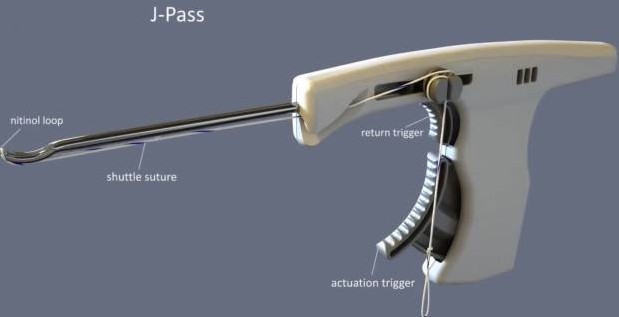
Kurt E.StollM.D.a, BenjaminHendyM.D.a, TregBrownM.D.b, NathanielCohenM.D.c, Thay Q.LeePh.D.d, SurenaNamdariM.D., M.Sc.a, PhilDavidsonM.D.e a Rothman Institute of Orthopaedics at Thomas Jefferson University Hospitals, Philadelphia, Pennsylvania, U.S.A. b The Orthopaedic Institute, Carbondale, Illinois, U.S.A. c OrthoNorCal, Los Gatos, California, U.S.A. d Orthopaedic Biomechanics Laboratory, Congress Medical Foundation, Pasadena, California, U.S.A. e Davidson Orthopedics, Salt Lake City, Utah, U.S.A. Received 11 October 2021, Accepted 24 December 2021, Available online 22 April 2022. Abstract Acromioclavicular (AC) joint injuries occur with a traumatic load to the lateral aspect of the shoulder and account for 9% of all shoulder girdle injuries. Rockwood classified AC joint injuries as type I though type VI, based on severity of injury, radiographic findings, and reducibility of the AC joint. Type I and II injuries are typically managed nonoperatively, whereas type IV, V, and VI are managed operatively to address the significant soft tissue disruption, persistent AC joint instability, and apical shoulder deformation. Treatment of type III injuries remain controversial. Several techniques have been described to treat AC joint injuries with no consensus for optimal treatment. “Anatomic” double-tunnel coracoclavicular ligament reconstruction is one currently popular technique to address AC joint injuries; however, clavicle and coracoid fractures are well-described complications of this technique. The objective of this technical report is to describe our preferred technique to address AC joint injuries. This technique involves using a looped braided polyester prosthetic band and low-profile buckle with allograft augmentation using a device to pass materials around the coracoid process. Technique Video Media player Download : Download video (62MB) Video 1. Patient with a Grade 4 AC dislocation in beach chair position. AC joint, coracoid, clavicle and planned clavicle incision is marked out. Posterior viewing portal is established and anterior rotator interval portal is used to debride around coracoid. Accessory anterior-inferior portal is established to see the base of the coracoid and resect tissue inferiorly. The open incision over the clavicle is made. This is a chronic case, so the incision is made at lateral edge of the clavicle. Clavipectoral fascia is released to establish pathway under the clavicle. The J-Pass device is loaded with a passing suture. An animated video is shown to explain how the J-Pass device is used to pass suture around the coracoid. The J-Pass is then used to pass a passing suture from medial to lateral around the coracoid. The suture is then passed under the clavicle. The M-Fix and graft are passed under the coracoid and clavicle. The AC joint is reduced, and the M-Fix is provisionally fixed. Reduction is confirmed with arthroscopy. The M-Fix is locked, and the tail is cut. The graft is sutured to itself. Introduction Injuries to the acromioclavicular (AC) joint are common in the active adult population and most often occur from a fall onto the lateral shoulder. This results in direct force onto the superior aspect of the acromion process, resulting in injury. The Rockwood classification of AC joint injuries helps guide management, with type I and II injuries typically managed conservatively and type IV to VI with surgical intervention. Treatment for type III injuries remains controversial, and choice of treatment depends upon an array of physician and patient related factors. There is no gold standard for the surgical management of AC joint separations with more than 150 surgical techniques described in the literature.1 Surgical techniques include open and arthroscopic approaches to reconstruct the coracoclavicular (CC) ligaments and/or AC ligaments with use of tendon autograft or allograft, temporary joint stabilization with hardware, distal clavicle excision, and CC space-stabilizing procedures using suture loop, screw, button, suture anchors, or similar devices. However, surgical treatment of AC joint injuries has been fraught with high rates of failure and complications. Reports show up to 80% of patients have loss of radiographic reduction and 20-30% of patients managed surgically undergo reoperation due to complications.2,3 Anatomic double-tunnel CC ligament reconstruction is one of the most common techniques to address AC joint injuries, as described by Mazzocca et al.4 Other techniques use single-drill tunnels into the clavicle and coracoid.5 Inherent in these techniques are two bone tunnels in the distal clavicle, which have been shown in biomechanical studies to weaken the clavicle, and there have been several case reports of clavicle fractures.6,7 Other techniques require drilling into the coracoid, which also raises concern for coracoid fractures.8 In an effort to mitigate the morbidity of bone tunnels in the distal clavicle and lessen loss of reduction, we describe a tunnel-free technique involving the use of a broad polyester suture band (4 mm or 7 mm) with a preattached metal buckle and allograft augmentation (see Table 1 for advantage and disadvantages). Table 1. Advantages and Disadvantages Advantages Disadvantages 1. No bone tunnels are created in the clavicle or coracoid; therefore, the bone is not weakened. 1. More extensive dissection is needed around the clavicle in order to allow passage of the graft and M-fix. 2. M-Fix has a looped woven prosthetic band configuration. 2. In order to successfully pass the graft and M-fix around the coracoid, adequate soft tissue dissection must be done, putting neurovascular structures at risk. 3. The M-Fix can be used as provisional fixation prior to final locking, which enables assessment of reduction on fluoroscopy. 3. There is a risk of hardware prominence on the clavicle. Surgical Technique For details on the surgical technique, see Video 1 and Tables 2 and 3. Table 2. Steps Step 1: Patient Positioning • Beach chair • Drape to allow a wide access to the posterior and medial shoulder. • Ensure access for fluoroscopy. Step 2: Diagnostic Glenohumeral Arthroscopy • Standard posterior viewing portal • Anterior portal through rotator interval • Perform diagnostic arthroscopy. Step 3: Coracoid Process Exposure • Work laterally to medially. • Debride lateral and inferior aspect of coracoid process. • An accessory anterior-inferior portal helps with visualization. Step 4: Mini-Open Exposure of Clavicle • Incision is 4 cm medial to the AC joint. • Expose clavicle anteriorly and posteriorly • Clear soft tissue from the clavicle at the level of the coracoid process. Step 5: Subcoracoid Passage Preparation • Reinsert arthroscope through posterior portal. • Ensure there is a clear path between clavicle and coracoid process. • May use a blunt obturator through clavicle incision to clear out soft tissue. Step 6: Subcoracoid Passage of Shuttling Suture
Dr. Mike Davis, M.D. begins Surgical Orthopaedic Care at Harrisburg Medical Center
### PRESS RELEASE – ORTHOPAEDIC INSTITUTE OF SOUTHERN ILLINOIS September 28, 2021 The Orthopaedic Institute of Southern Illinois (OISI) is excited to announce the expansion of our clinic at Harrisburg Medical Center (HMC). For many years, OISI has partnered with Harrisburg Medical to provide orthopaedic services both in an outpatient clinic setting as well as covering calls through their emergency room. Through this partnership, many residents of Saline, Gallatin, Pope and Hardin counties have been able to receive care close to home. Moving forward, Harrisburg is looking to expand orthopaedic services by providing surgical care right there at the Medical Center. “This is a way for us to continue keeping patients at home by receiving state-of-the-art orthopaedic care in our hospital,” said Don Hutson, Harrisburg Medical Center’s Chief Executive Officer. “Dr. Mike Davis has been caring for our Southeastern Illinois patients in our Specialty Clinic for some time now and we are excited to take it a step further to complete those surgeries at HMC.” Southern Illinois Healthcare (SIH) recently completed an affiliation with HMC in August of 2021 and has been strategically working with OISI over the past year to expand orthopaedic services in Southern Illinois. “To continue providing high quality orthopaedics through strong partnerships we have with SIH is important to the Orthopaedic Institute. We are excited to expand our services in the Harrisburg market to bring full-scale orthopaedic services in the community,” said Justin Harris, OISI’s Chief Executive Officer. While Dr. Mike Davis, M.D. has been seeing patients at the Harrisburg Medical Center’s Specialty Clinic over the past year, he will begin to care for his patients surgically beginning October 1, 2021. Dr. Davis has been in the Southern Illinois community for over 30 years and has a passion serving those with general orthopaedic conditions and specifically those with hip and knee pain. He is currently seeing patients in Harrisburg on Friday and will continue seeing patients at the OISI Herrin and Carbondale offices. Call today to schedule an appointment, 618-997-6800, as same-day appointments are often available, or visit our website, www.oisil.com to learn more. ###
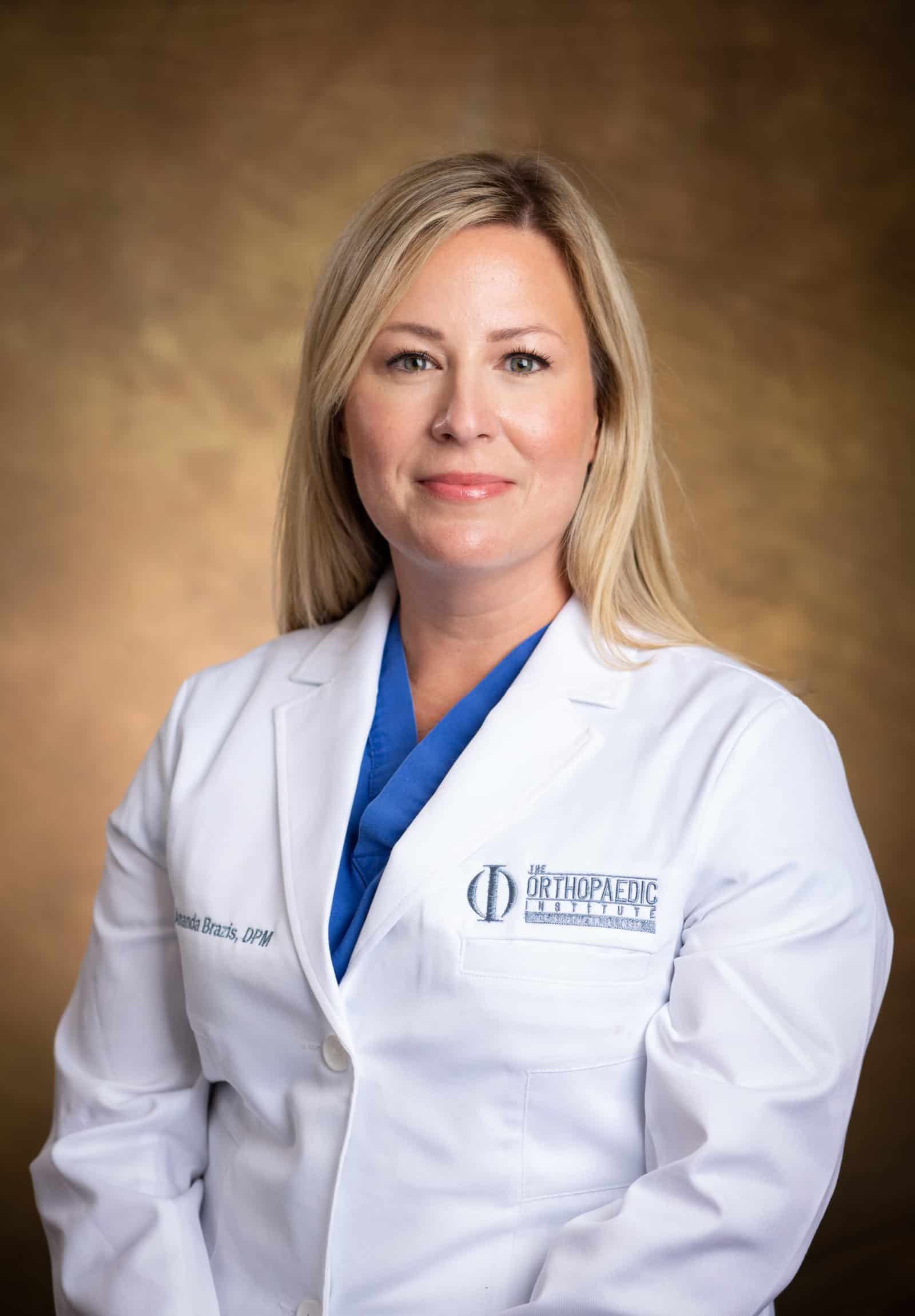
Dr. Amanda L. Brazis, DPM, joins the Orthopaedic Institute!
### PRESS RELEASE – ORTHOPAEDIC INSTITUTE OF SOUTHERN ILLINOIS August 1, 2021 The Orthopaedic Institute of Southern Illinois (OISI) is excited to announce the addition of Dr. Amanda L. Brazis, DPM, as the newest member of its orthopaedic surgical team. Dr. Brazis is a board-certified podiatrist focusing on orthopaedic foot and ankle care and surgical procedures, including total ankle replacement. Dr. Brazis has a passion serving those with foot and ankle conditions. From patients with diabetes who have suffered with chronic foot and/or ankle pain to patients who have had an acute injury from a fall, she is eager to serve your need. Her overall practice focuses on areas such as arthrocentesis, athlete’s foot, bunion surgery, diabetic care, lower leg/ankle fractures and dislocations, plantar fasciitis, and wound care. Dr. Brazis is originally from Chicago, Illinois, where she did her undergraduate at Loyola University, her professional schooling at Rush University, and her surgical residency at Rosalind Franklin University of Medicine and Science in North Chicago. She has been Southern Illinois for the past decade with Southern Illinois Healthcare, treating patients at both Herrin Hospital and Memorial Hospital of Carbondale. “It has been a pleasure serving my patients through the SIH system and now I look to bring an even more focused approach to foot and ankle care at the Orthopaedic Institute,” said Dr. Amanda L. Brazis, DPM. “My family and I live right here in Southern Illinois where my children attend and participate in school and community activities, and my husband and I look forward to many more years to come.” Dr. Brazis will start seeing patients August 1st at the Orthopaedic Institute in Herrin and will be providing most of her surgical care at the same-day, outpatient surgery center, Southern Illinois Orthopedic Center (SIOC), right next door. She will also continue to take medical call at Herrin Hospital and Memorial Hospital of Carbondale and complete surgical care as needed. Call today to schedule an appointment, 618-997-6800, as same-day appointments are often available, or visit our website, www.oisil.com. ###
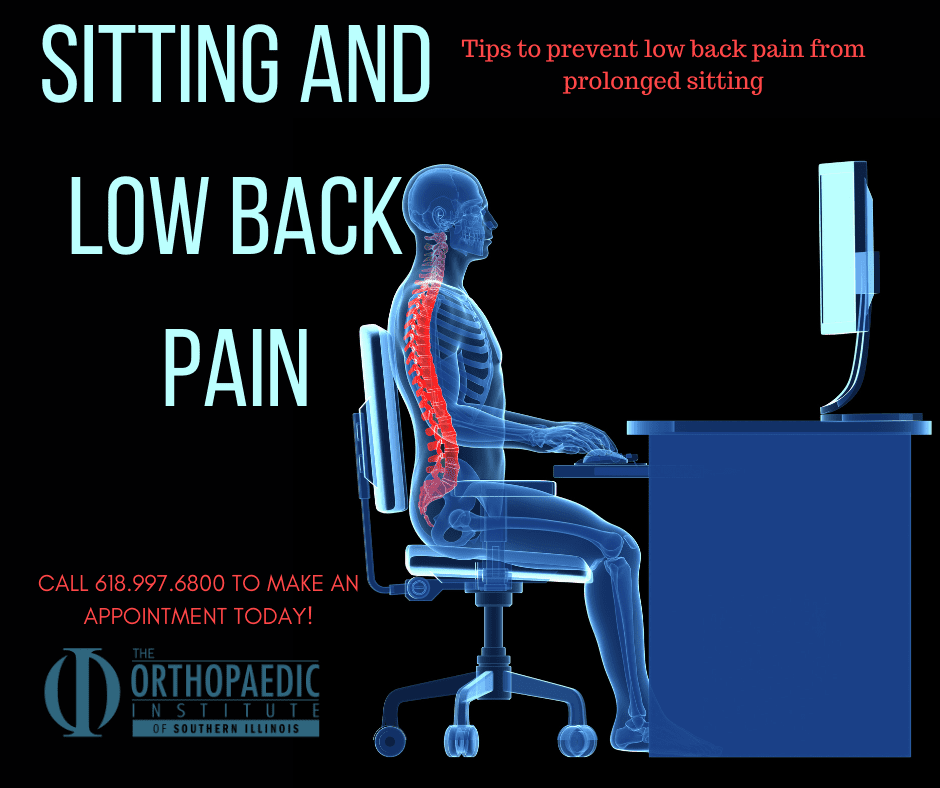
Sitting and Back Pain – Tips to prevent low back pain from prolonged sitting
One common reason your back may hurt is from bad posture while seated. Sitting in a slouched or hunched over position can put a strain on the discs- the fluid-filled cushions that protect the vertebrae from rubbing together. Causes of Low Back Pain When Sitting Down *Sciatica– Sciatica refers to the pain in the sciatic nerve, which runs down the base of the spine into the back of your legs. It can be caused by various conditions including a bone spur on the spine. Sitting for long periods of time can make it worse, but you’ll usually have it on one side. *Herniated disc- Pain in your lower back is one of the first things you’ll experience if you have a herniated disc. Pressure on your disc has caused it to push out of its normal shape. This puts a strain on the spinal cord and nerves in the area, causing pain and even numbness. *Muscle Strain- A muscle strain in the lower back is also called a lumbar strain. It occurs when you overstretch or twist your back too much. While most people recover from a strain within one month, it can also become an ongoing problem if it’s due to poor sitting posture and you don’t take steps to correct it. *Degenerative disc disease– When the discs between the bones in the lower spine are damaged, it’s called lumbar or degenerative disc disease. Discs degenerate in older people, and injuries can cause the annulus fibrosis to tears. The annulus fibrosus is what holds the nucleus pulpous, the soft center of each disc, in place. When this part of the disc tears, the disc can’t heal itself because it doesn’t have much blood supply. The soft material in the center may then leave its normal confines. It could protrude backward and compress a nerve root, resulting in pain that radiates down into the limbs. Although some people who have degenerative disc disease don’t have symptoms at all, the pain can be quite severe in the lower back, buttocks, and thighs, and it may get worse when you bend or sit. *Spinal stenosis- The bones in the spine each have a hole in the middle that form a tube through which the spinal cord runs. This connects the nerves throughout your body to your brain. When that tube isn’t wide enough, the cord gets squeezed and can cause pain weakness, and numbness. *Posture- Bad posture while either sitting or standing can contribute to low back pain. Slouching forward too much or leaning too far back can cause problems. Even if your back pain isn’t caused by poor posture, it can be made worse by it. *Being out of shape- Your core muscles include the ones on your sides and in your back, hips, abdomen, and buttocks. If these are weak they may not be supporting your spine well enough, leading to pain. Stretching and aerobic exercise can go a long way toward helping strengthen your core. What Can I do About My Lower Back Pain Since I Sit Often? 1. Better Posture Sitting in one position too long isn’t healthy. Doing it with your back rounded forward, slumped to one side, or leaning too far back can put stress on parts of your spine for an extended period. TO help you sit straighter, position your body along an imaginary straight line extending the length of your back, out of your head and up to the ceiling. Keep your shoulders level and don’t let your pelvis rotate forward, If you sit up perfectly straight, you’ll feel the small of your back stretch and lengthen. 2. Avoid Sitting When Possible Dr. Tennyson Lee, OISI’s Pain Management Specialist, says “Sitting puts the most pressure on your lower back compared to standing and lying down. If you have to sit, take breaks often to stand up and stretch your back and legs. If you do a lot of desk work, think of getting a sit-stand desk.” 3. Stop Smoking We already know that smoking can cause quite a bit of a problem for our health, but did you know that it prevents the back from healing the normal daily wear and tear? Dr. Lee says that smoking will increase your risk of back pain and back surgery by 10 times. 4. Try a Rocking Chair Dr. Lee says the rocking chair is your friend. “If you have to sit, try to choose a rocking chair. The rocking chair is motion in action. And we know that ‘motion is lotion’ for the back, hips, knees, etc. Motion prevents arthritis stiffness and muscle tightness,” says Dr. Lee. 5. Bend Backward 10 Minutes a Day You can do this by laying on your stomach and curving upward (Cobra pose in yoga). “You don’t have to go very far in the beginning,” says Dr. Lee. You may only be able to lie on your stomach in the very beginning. Just stop before it hurts you. While standing, you can also put your hands behind you on your buttocks and bend backward a little to preserve your back bending motion.” 6. Medical Treatment Our doctors here at The Orthopaedic Institute of Southern IL may also recommend the following treatments for lower back pain: physical therapy- which helps build up muscle strength to support your back.nerve blockers and steroid injections for pain reliefacupuncture and dry needling which may relieve pain without surgerymedications such as muscle relaxers, antidepressants, and other analgesics. 7. Change Your Position Take frequent breaks, move around. 8. Apply Ice or Heat Cold helps reduce inflammation and heat promotes healing by bringing blood back to your back. 9. Use a Support Placing a rolled-up towel or special lumbar pillow at the base of your spine while sitting will help you remember to sit up straight and provide you with some stability. 10. Get a massage or consider yoga Yoga is known for its ability to stretch and strengthen the body. Many programs for modification of the poses as needed. When to
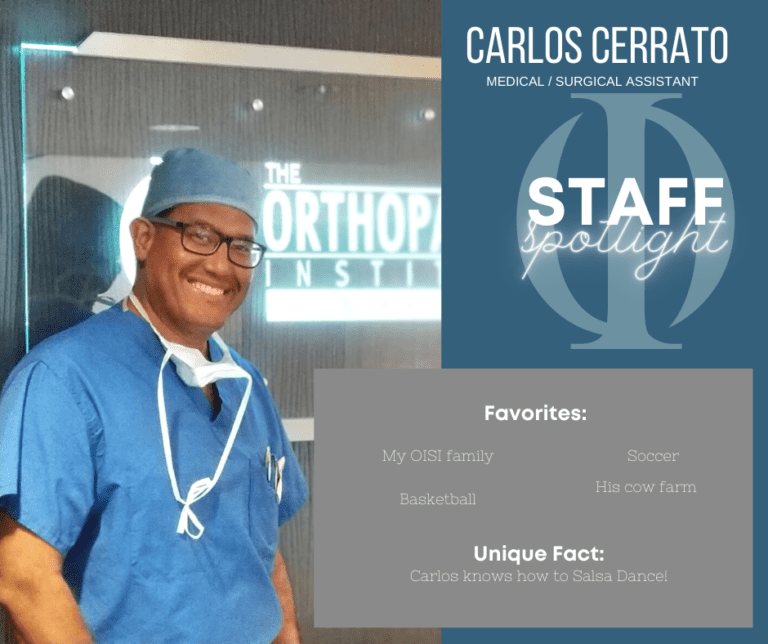
OISI Staff Spotlight- Carlos Cerrato
This week’s OISI Staff Spotlight features Carlos Cerrato, Medical / Surgical Assistant 1. How long have you been with OISI? 19 years! 2. Favorite part of your job? I love taking care of patients. 3. What gets you out of bed in the morning? The Lord. 4. People would be surprised if they knew what about you? I’m a salsa dancer! 5. What is your favorite thing to do in Southern IL? I love being on my farm (cows). 6. Hobbies? Basketball and Soccer. I love my OISI Family!!!