

The Orthopaedic Institute of Southern Illinois (OISI) is proud to announce Justin D. Harris has been named Chief Executive Officer. Before joining OISI, Harris has spent the past couple of years focusing his efforts on new hospital acquisitions both as CEO and COO, working diligently on setting hospitals up for future success. Harris has more than 10 years of healthcare experience, serving all aspects of healthcare from not-for-profit, for-profit, and governmental organizations. “The Orthopaedic Institute of Southern Illinois is excited to announce Justin Harris as our new CEO. Justin has a wealth of experience in the healthcare field and brings a new level of expertise to OISI, ” said Treg Brown, M.D., President of OISI, Team Physician Southern IL University and Rend Lake College. “He has demonstrated leadership and a goal-oriented attitude since arriving here. He has already enacted several changes to OISI that will reap rewards for our patients, staff, and providers well into the future.” Previously, Justin served in management consulting roles specified in healthcare operations both in inpatient and outpatient settings, developing financial acquisition projections, and serving in interim administrative roles. Prior to consulting, Harris worked in various administrative roles in both Kentucky and Tennessee under the parent company, Community Health Systems, one of the largest for-profit hospital chains in the nation. “I am excited to move to the area and join the team at The Orthopaedic Institute of Southern Illinois,” said Harris. “It is comforting to know that I am joining a group of highly qualified, esteemed medical providers who provide high-quality care, 100% of the time. As the leader of our organization, our team members are committed to providing a safe place for orthopaedic care.” In the not-for-profit sector, Harris has dedicated much of his time to the American Diabetes Association where he served on both the national and local levels as a National Spokesperson and a local advocate. On the governmental side of healthcare, he started his tenure in Kentucky where he served as the State’s Spokesperson for Diabetes while developing and implementing healthy school programs across the Southeast. Harris’ experience includes a wide variety of aspects in healthcare, focused largely on hospitals and health systems, critical access hospitals, ambulatory surgery centers, and physician practices. Harris earned a Masters in Science in Health Administration (MSHA) and a Masters of Business Administration (MBA) at the University of Alabama at Birmingham (UAB). Harris is originally from Kentucky and is married to his wife Kaitlyn and they have identical twin girls, Kyleigh and Amelia.
5 Tips to Improve your Orthopaedic Health
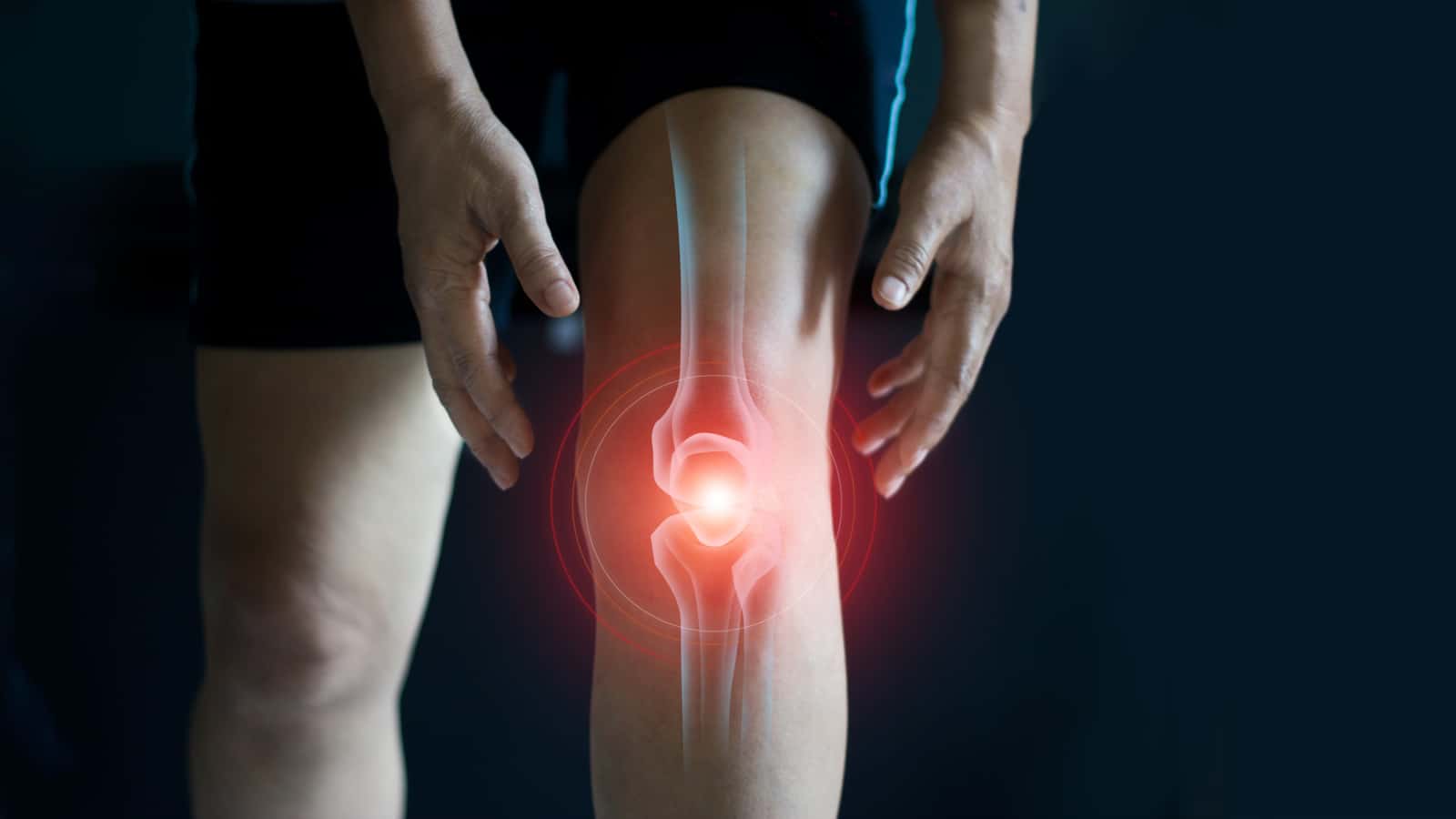
Every day, hundreds of millions of people worldwide wake up with orthopaedic issues that limit their ability to live a free and active life, making bone and joint conditions among the most common causes of severe long-term pain and physical disability. Here are five simple tips to improve your orthopaedic health for life. 1. Stay Active One of the most important ways to maintain healthy bones and joints in the long-run is daily exercise. Whether you are implementing an active lifestyle as a preventative measure or trying to strengthen an already fragile skeletal system, the key to developing strong bones and joints over time is to start slow and ease into a routine that works for you. Strengthen – Avoid high-impact forms of exercise that could cause stress to your bones and joints. Instead, try taking a brisk walk or using hand-held weights or stretch bands to build strength and resistance. Stretch – Building your flexibility is important to maintaining a wide range of mobility while avoiding injury and developing better balance. Before and after exercising, take five minutes to stretch your leg, back, and arm muscles. Cool Down – Before you end your workout, ease into a cool-down exercise, such as a light jog around the track, to prevent injury and unnecessary tightness or soreness post-workout. 2. Eat to Live In combination with the right amount of exercise, a healthy diet promotes healthy bones and joints. The key to maintaining a balanced diet is finding ways to be intentional about incorporating nutritional foods into each meal. Make sure you are getting enough of the following nutrients to keep your orthopaedic health on track: Calcium – A mineral necessary for bone formation, calcium-rich foods such as milk products are important for building strong orthopaedic health. Vitamin D – Few foods, besides fatty fish, dairy products, and egg yolk, contain high amounts of vitamin D, so getting a safe amount of sunlight can be a good source. Supplements – If you are unable to get the right amount of calcium or vitamin D in your diet, taking a supplement is recommended. However, it is important to note that a “supplement” does not translate to a perfect “substitute.” 3. Dress for Comfort and Support Don’t let fashion get in the way of your orthopaedic health. The clothing we wear can make or break our bone and joint health, so adorning the proper gear can be an easy way to work towards a pain-free life. Instead of wearing high heels, which throw the body out of its natural position, look for shoes that provide comfort and support. Make sure your feet have plenty of room within the shoe to avoid cramping and deforming. Additionally, wear looser fitting clothes to aid proper blood circulation and flexibility of muscles. 4. Create Healthy Habits Creating healthy habits is essential for long-term orthopaedic health. Practice good posture by always keeping both feet on the ground to distribute weight evenly as well as pulling your shoulders back to straighten out your spine. Avoid putting stress on your back and shoulders by carrying lighter loads, evening out your backpack straps, or using a suitcase with wheels. When sleeping, use supportive pillows, and choose a position that complements the natural curvature of the spine. 5. Practice Precaution Taking precautionary measures is essential when it comes to your bone and joint health. If you notice any changes in your orthopaedic health, make sure you take action before it is too late. Ice the area to reduce swelling Wrap the area to compress and keep in place Elevate the area to encourage blood flow If the bone or joint continues to weaken or the pain continues to worsen, it is important to seek medical attention right away. From knee surgery to hip replacement and rehabilitation, contact our highly skilled orthopaedic specialists here at The Orthopaedic Institute to receive the right care and services to get you back on your feet quicker.