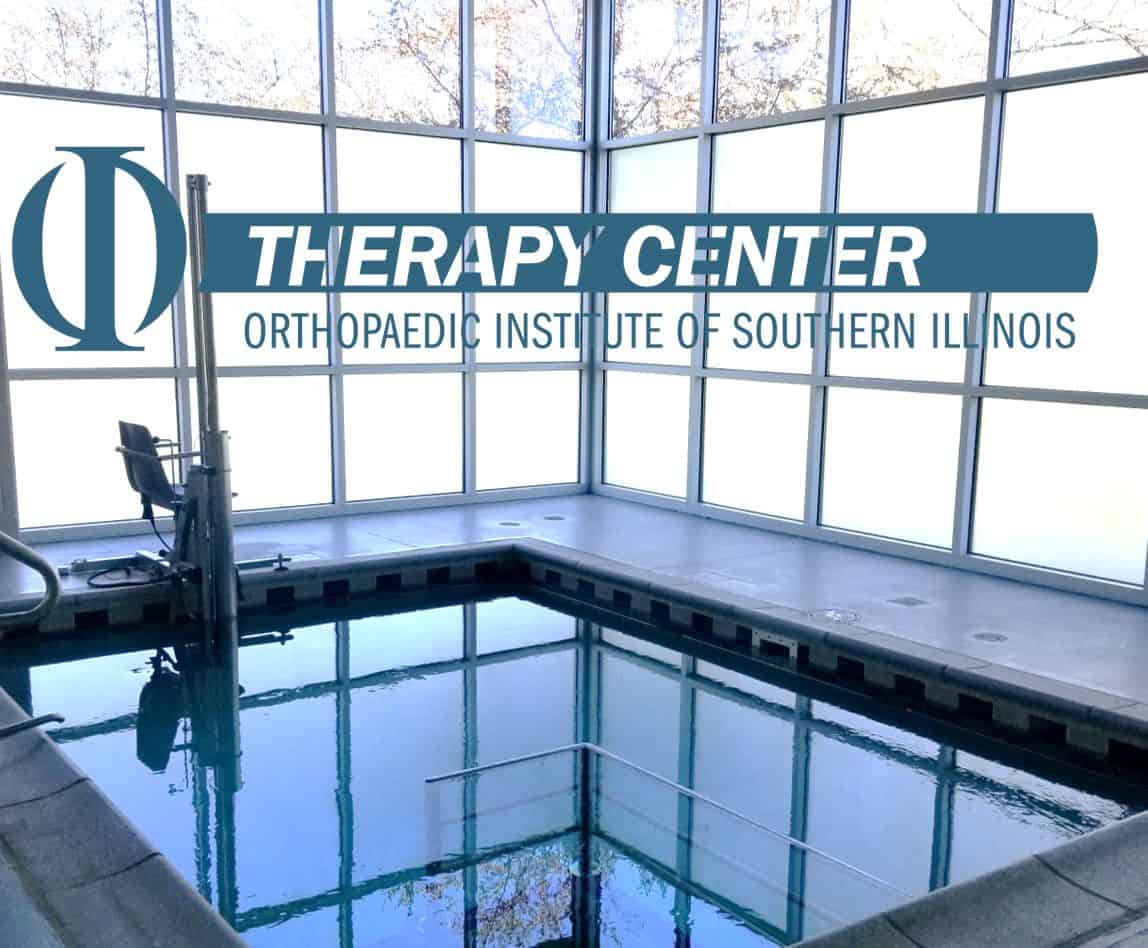
Did you know that the OI physical therapy department offers warm water aquatics? Warm water aquatics is an exercise therapy program that is performed in a heated pool. With one-on-one guidance by a certified physical therapist, this special therapy will help to heal your pain and increase your exercise performance. “If a patient cannot tolerate a traditional gym-based therapy exercise, the warm water pool allows the patient to exercise more comfortably,” said Pamm Hunter, Director of Physical Therapy at the Orthopaedic Institute of Southern Illinois. Warm water aquatic exercise is great for patients with arthritis, bone fractures, disability and other factors such as being overweight which may make it uncomfortable or too painful to perform the same exercise on land. There are numerous positive benefits of using warm water for therapeutic exercise. The buoyancy of water allows a patient to exercise with less effort. Buoyancy is the property of water that pushes your body upward and allows you to float. This special property of water puts less stress on your feet, knees and hips than land based exercise. This will make it easier and less painful for you to perform therapeutic exercise and movement. The warmth relaxes the muscles and helps reduce pain. The OI therapy pool runs at 94 degrees Fahrenheit. The warm water acts as a liquid heating pad surrounding you and relaxing every muscle of your body at once. The warmth reduces joint pain from arthritis, fibromyalgia and other chronic pain issues. The warm water increases blood circulation. Poor blood flow can contribute to joint pain, muscle aches and weakness. Good blood circulation allows nutrient rich blood and oxygen to flow throughout the body. When muscles are well oxygenated, a patient can exercise longer and gain its benefits before feeling tired. The water helps improve balance without fear of falling. The buoyancy of water moves and pushes on the body. To keep the body upright, your body will naturally adjust to these forces thus increasing your balance. Because you are performing these exercises in water, the risk for injury is small if balance is lost. The gentle water resistance helps to build strength. The viscosity of water forms a gentle yet effective environment to strengthen muscles during therapeutic exercise. Even though it feels easier to exercise in water, exercise in water can provide up to 15 times more resistance than the same exercise on land. The depth of the warm water therapy pool varies from shallow to deep. This allows for partial to non-weight bearing exercises. As you move deeper into the pool, your exercise will become less weight-bearing. Your physical therapist will access you and your body’s specific needs and guide you with what exercise you should perform and at what depth. The reduced gravity effects of water allow gentle joint and spinal traction to decompress nerves. Healthy and well functioning joints have a small bit of space lubricated with fluid in between them. With age and/or certain injury, our joints can become compressed especially in the spine causing back pain. The buoyant property of water allows a patient to gain relief from this pain by gently pulling the joint and spine in different directions. This leads to more space between the affected joints to relieve pain caused by this type of compression. Call today to make an appointment with one of our accredited physical therapists at OISI to see if warm water aquatic therapy will benefit you, 618-984-2484.
Low Back Pain: Causes and Conservative Treatments
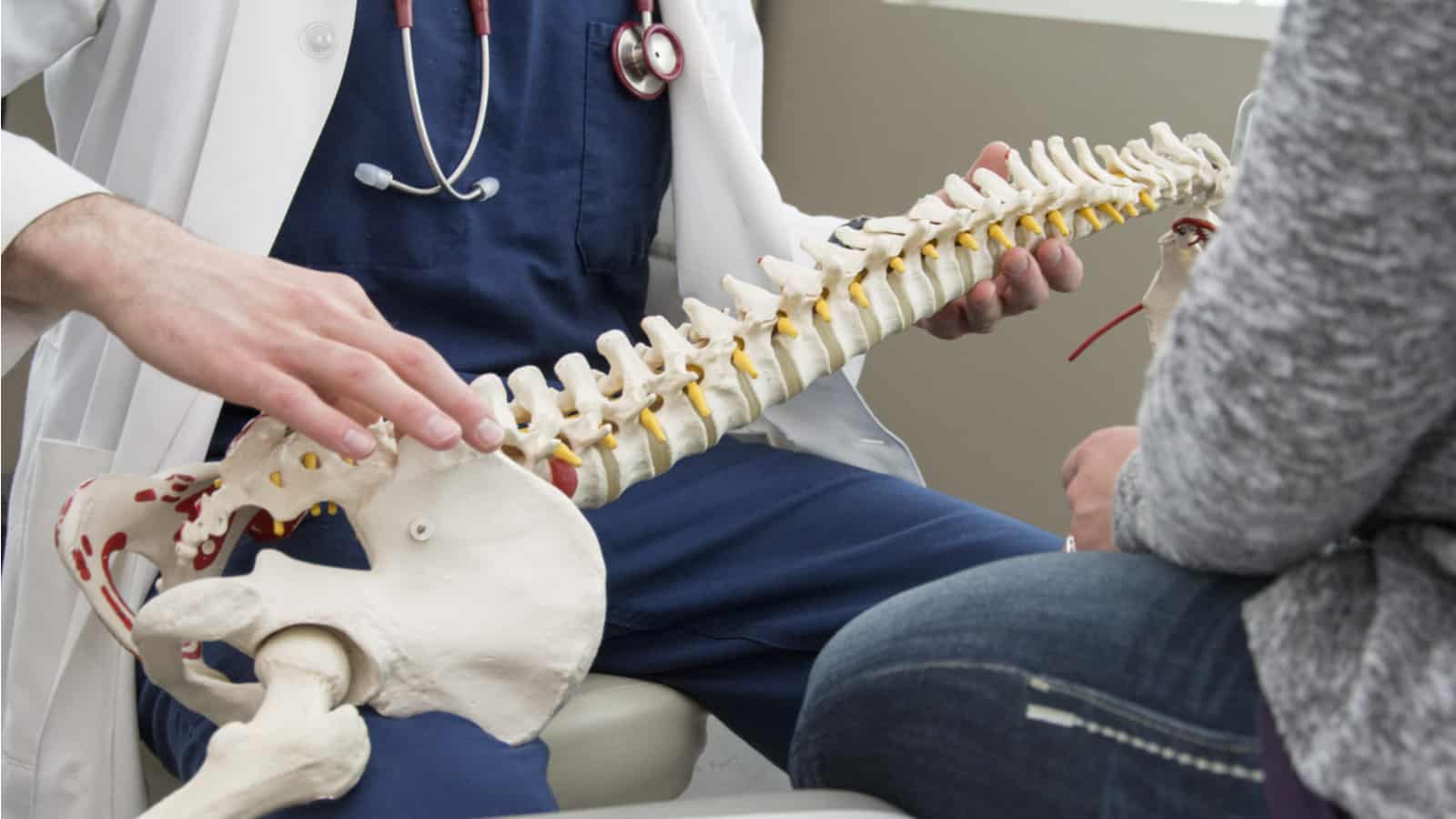
Low Back Pain: Causes and Conservative Treatments by Amelie Alba, PT, OISI Therapy CAUSES – age related degenerative changes OR injury – arthritis (a gradual degeneration of cartilage in your spine) – stenosis (narrowing of spinal canal that can cause nerve impingement and pain) – disc dysfunction – herniated or bulging discs can also cause nerve pain – myofascial pain – muscle and/or soft tissue pain which can be of unknown origin CONSERVATIVE TREATMENTS Physical Therapy: Exercise is the foundation of conservative treatment for low back pain. Every body is different and certain exercises may not be appropriate for all types of back pain. Exercise programs should be individualized to your particular symptoms and/or condition. Most programs will include postural strengthening, stretching/flexibility exercises, aerobic exercises, balance training and core strengthening. Other treatments such as needling, massage, electrical stimulation, and ultrasound may be used to help with pain as well. Maintaining good compliance with exercise program and activity level is key to preventing further injuries. Diet: Inflammatory diets have been shown to increase pain levels – avoid refined sugars, processed foods, or foods high in trans fats. The weight loss that comes with a healthier diet will decrease the pressure on your spine and can result in less pain as well. Lifestyle: Recognizing and accepting your limitations will go a long way towards protecting your back day to day. You may need to adapt and change the way you do certain activities. Take breaks before you need them to avoid painful flare-ups. Pay attention to movements or activities that increase your pain, and try to avoid or change those activities so they are not so strenuous. Smoking, although it feels like it may be helping you cope with your pain, can actually increase your pain levels as nicotine has been shown to increase pain and decrease rate of healing. Medications: Your doctor may prescribe or recommend nerve pain medications, anti-inflammatory medications, and muscle relaxants that can be very helpful in managing your symptoms. Injection-based Treatments: Pain management injections such as nerve blocks, nerve ablations, or epidural steroid injections can significantly decrease pain levels. To make an appointment with Amelie or any of our physical or occupational therapists, please call 618-984-2484 today!
Take Care of Your Bones!
Can you imagine not being able to garden, travel or spend quality time with your spouse, kids or grandchildren? Without good bone health, you won’t be able to do what you love whenever you want to do it. Developing good bone health starts when you’re young and should be supported, promoted, monitored and maintained as you age. To make an appointment with the Healthy Bone Clinic and Kali Moe, NP, or our Healthy Bone Medical Director, Dr. Bob Golz, call 618-997-6800! Here are 7 reasons why you should take better care of your bones today: Bones protect important organs inside your body like your brain. Your skull is the safety helmet inside your head. The rib cage made out of bone protects your lungs and heart. Your skeletal system keeps your insides in place and adds an extra layer of protection when you need it for example, during a fall or accident. Bones form the structure of your body and make it move the way it should. It would be hard to bend over to pick up your grandchild, work in your flower bed or reel in that big one without the help of your muscles and bone working together. Healthy bones make you beautiful. Think of the phrase “good bone structure.” Your jaws and teeth are made out of bone, and they support the rest of your face and skull above it. Strong, healthy bones create strong teeth and a beautiful smile. These same bones support and prevent the fat, muscle and tissue of your cheek from sagging. You’ll look more attractive and youthful throughout your life with good bone health. Bones hold and build important nutrients and minerals that make your body work its best. Calcium is stored in the bone, and in the bone marrow, red and white blood cells are made. Red blood cells carry oxygen to your muscles and organs including your brain, liver, heart and digestive system. White blood cells fight colds, flu and other diseases. Calcium has many important roles including carrying messages between your brain and every other part of your body via nerves. Your body will use the calcium stored in your bones for this function if you don’t consume enough calcium in your diet. Your body continually makes and breaks down bone. Before the age of 30, you produce new bone faster than you break it down. After the age of 30, you lose more bone than you make it. Attaining good bone mass while you are younger will help you retain more of your bone later in life and decrease your chance of bone disease. Without good bone health, you are prone to osteoporosis. Osteoporosis is a disease that causes your bones to become weak and brittle. It is often called a “silent disease” because most people don’t know they have it until they break a bone or experience a fracture. 1 out of 2 women over the age of 50 and 1 out of 4 men will experience an osteoporatic fracture in their lifetime. One osteoporatic fracture in your spine, hip or wrist makes it more likely you’ll have another one as each fracture weakens your bones further. Taking care of injuries associated with bone loss can cause financial strain and emotional distress. When you fracture a bone, you may have to miss work to go to doctors appointments, surgery and physical therapy costing time and money. On top of that, you may have to say goodbye to dance lessons, gardening, travel plans, hunting and other activities you enjoy as your body recovers and heals. However, there is good news. It is never too late to maintain, gain or promote better bone health and prevent bone disease. Be your best advocate and ask your healthcare provider to test and monitor your bones. When you are proactive about your health, you can live life to its fullest and enjoy doing what you love most to do. Take care of your bones, and your bones will take care of you!
Southern Illinois Orthopedic Center (SIOC) receives 2021 AAAHC reaccreditation
https://thesouthern.com/business/local/southern-illinois-orthopedic-center-receives-2021-aaahc-reaccreditation/article_0f9a591c-3566-55ec-8e2d-46c823476111.html